Torn between Carmel and Zionsville? You’re not alone. When you relocate to the Indianapolis area, these two suburbs often top the short list, and for good reason. You want a home that fits your lifestyle, commute, and long‑term plans without guesswork. This guide gives you a clear, practical comparison so you can start your search with confidence. Let’s dive in.
How to read this guide
This side‑by‑side focuses on what matters day to day: housing options, conveniences, commute patterns, and community feel. You’ll see the tradeoffs clearly, without hype. Use it to narrow your target neighborhoods, then verify specifics like current pricing, school boundaries, and commute times with live sources and mapping tools.
Housing options and market character
Carmel housing at a glance
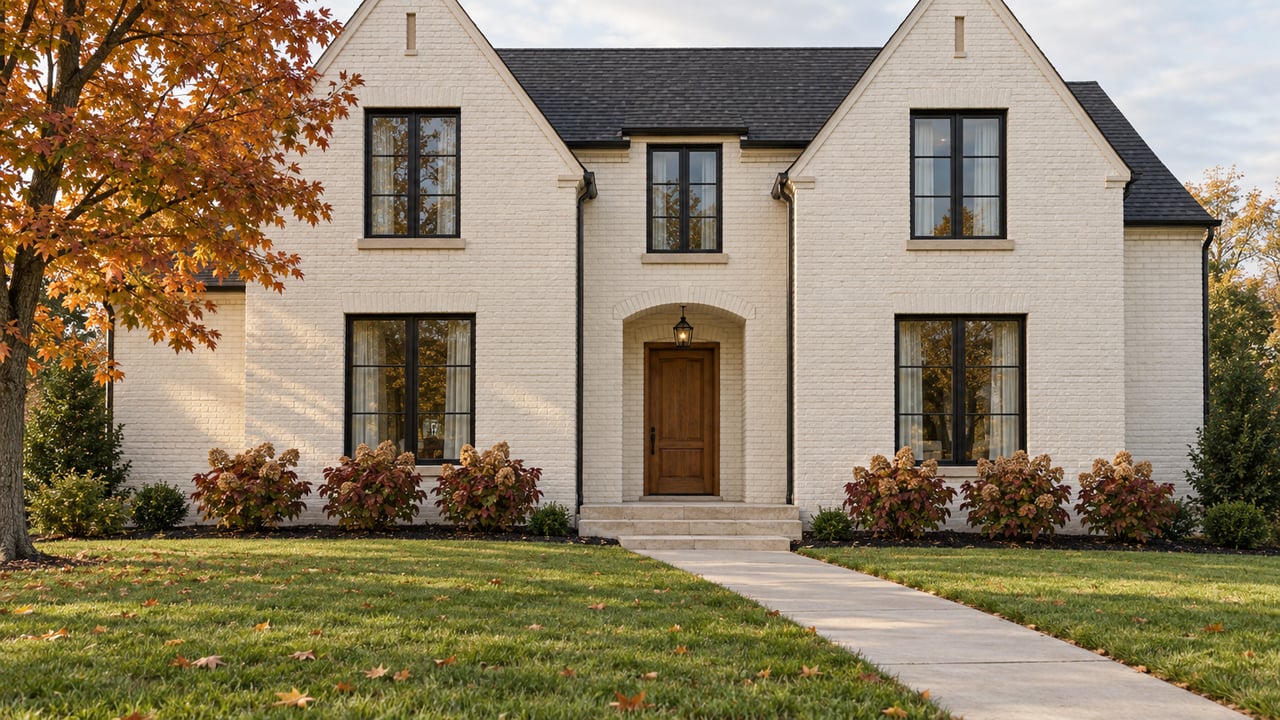
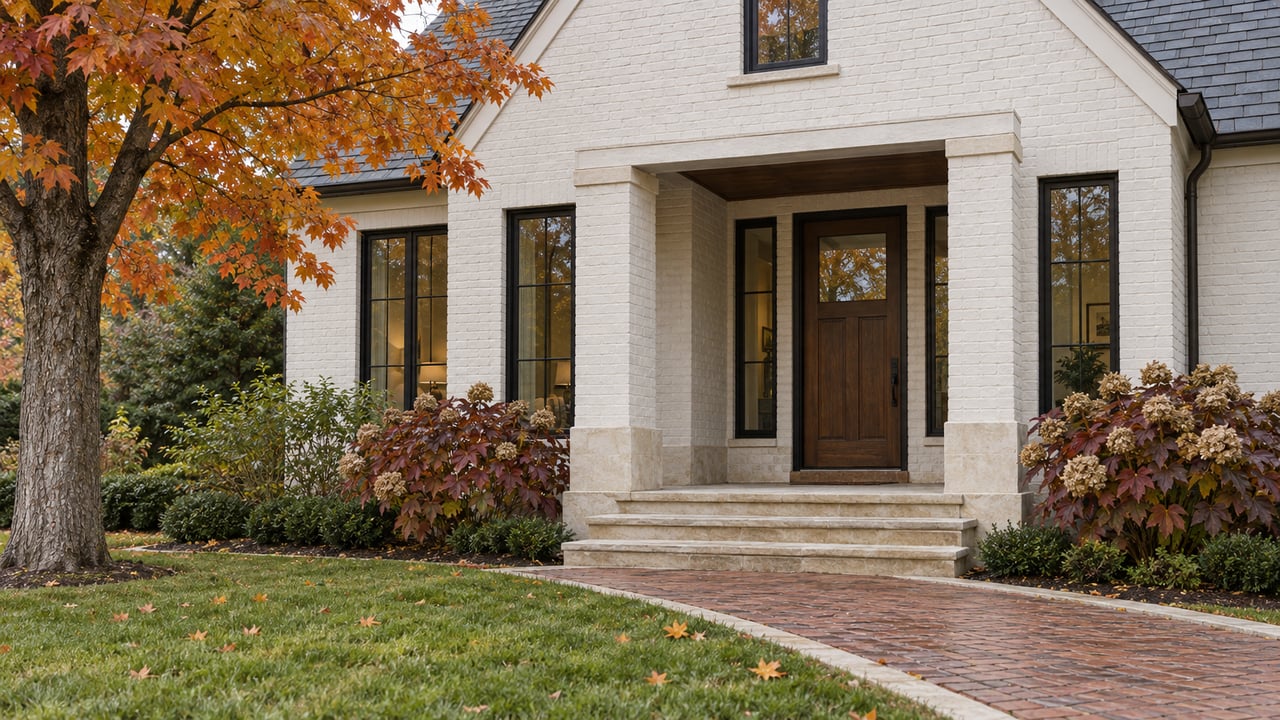
Carmel offers a broad mix of homes: single‑family neighborhoods, townhomes, condominiums, and higher‑end infill near established areas. New construction is widely available, especially along planned growth corridors. You’ll also find many planned communities with amenities such as pools, trails, and HOA governance.
Zionsville housing at a glance
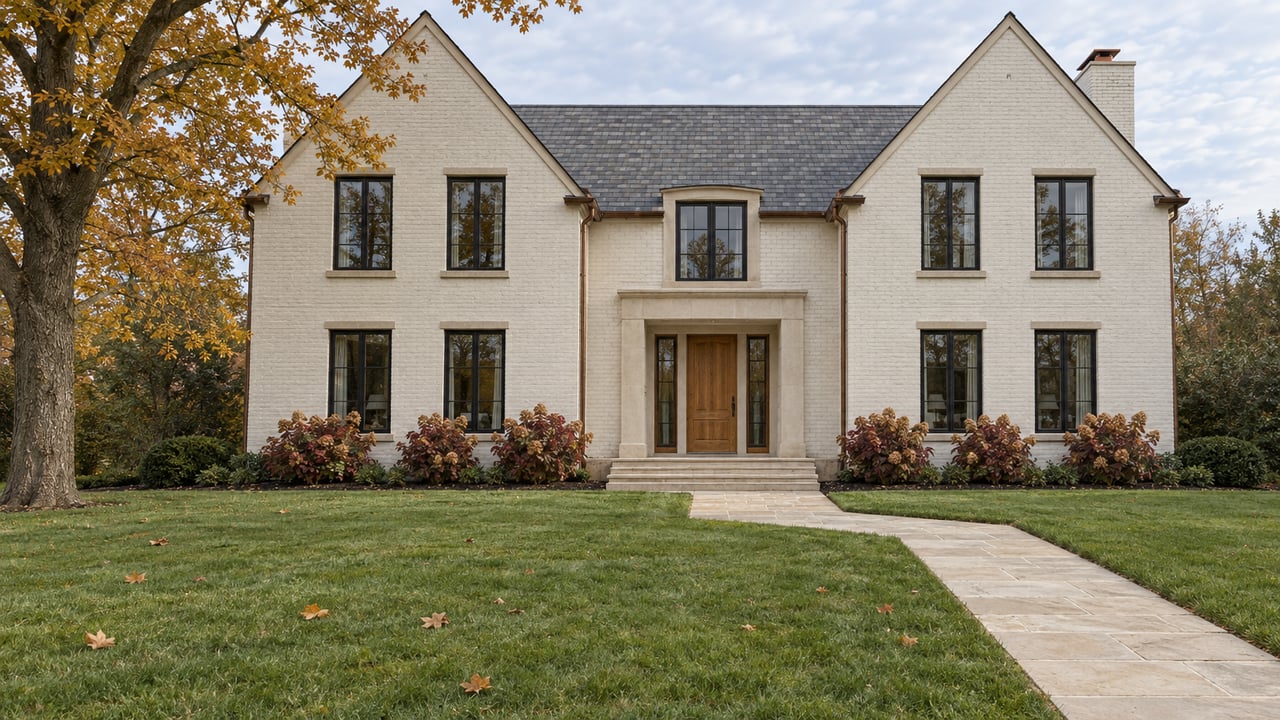
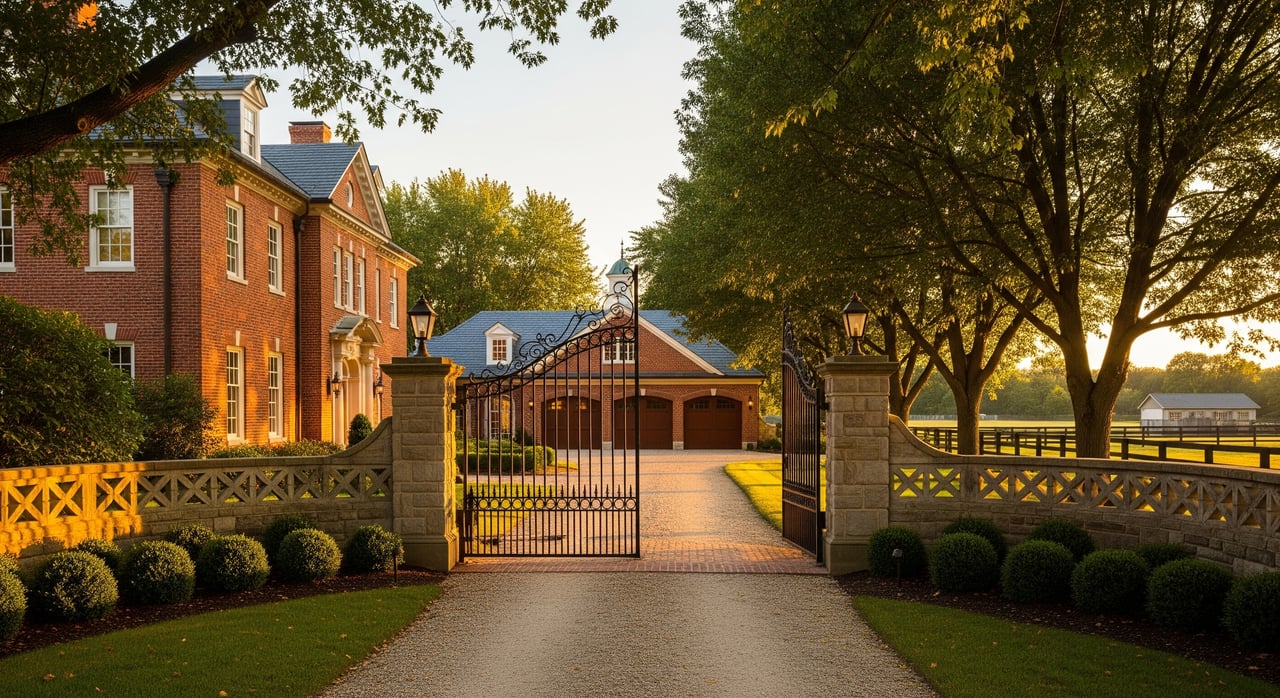
Zionsville leans more single‑family, with historic cottages near the downtown village core and many properties on larger lots. On the town’s edges, you’ll see estate and acreage options, including horse‑friendly parcels. Newer subdivisions exist but are typically designed to match the village aesthetic, with less emphasis on high‑density product.
Age, supply, and new‑build dynamics
Carmel experiences steady infill and ongoing development, so move‑in‑ready new builds are often available across several price bands. Zionsville blends historic homes with newer neighborhoods and specialty large‑lot properties; new infill exists but tends to be more limited than in Carmel.
Ownership details to weigh
HOAs are more common in Carmel’s newer subdivisions and many townhome or condo communities. In Zionsville, some subdivisions have HOAs, but many standalone older properties do not. If you want lower yard maintenance, Carmel’s smaller‑lot or attached options may appeal. If you value space and privacy, Zionsville’s larger‑lot choices can be a strong fit, with the understanding that upkeep may be greater.
Everyday conveniences and services
Schools and family services
Both Carmel Clay Schools and Zionsville Community Schools are widely followed by local families and are frequently described as strong public‑school options in the region. Carmel is a larger district, which often means broader program offerings across multiple campuses. Zionsville’s smaller scale is often described as community‑focused with distinct campus identities within the town footprint. Confirm exact boundaries and programs on each district’s official site before you commit to a specific address.
Shopping, dining, and daily errands
Carmel has a higher concentration of retail centers, restaurants, and walkable mixed‑use corridors for one‑stop errands. Grocery options, national retailers, and personal services are spread across several commercial nodes. Zionsville’s Main Street delivers a boutique village experience with independent shops and restaurants, and everyday needs are covered by local grocers with larger retailers a short drive away.
Healthcare and professional services
Carmel places you near hospital campuses, clinics, and a wide range of specialists within town. Zionsville residents use a mix of local clinics and nearby hospitals across the greater Indianapolis area. If quick access to multiple specialty providers is a priority, Carmel’s denser medical network can be convenient. If you prefer a quieter residential base and are comfortable driving farther for specialists, Zionsville works well.
Parks, trails, and active living
Carmel emphasizes an extensive trail system, multi‑use paths, and municipal parks that support an active lifestyle and short intra‑city trips by bike or e‑bike. Zionsville offers village‑scale parks and trails, plus access to open‑acre and equestrian options on the outskirts. Both towns support outdoor recreation; Carmel feels more urban‑trail connected, while Zionsville feels more small‑town and nature‑forward.
Arts and cultural options
Carmel features a dedicated arts center and a concentrated arts and dining district with frequent public programming. Zionsville hosts community theater, local galleries, and seasonal village festivals at a smaller scale. If you want regular performances and year‑round events, Carmel provides more density. If you love historic streetscapes and intimate gatherings, Zionsville delivers that charm.
Commute, transportation, and access
Where you work matters most
Both towns are suburban bases for Indianapolis‑area employers. If your job is in northern suburban corridors (including parts of Carmel and nearby business parks), living in Carmel often shortens the drive. If you work downtown or to the west or northwest, differences between Carmel and Zionsville may be minimal and will depend on your exact route. Always check your commute with a mapping app during peak hours.
Road network and driving realities
Car travel is the norm in both communities. Carmel has more internal arterial roads and developed commercial corridors, which means higher peak traffic but more direct access to local services and employers. Zionsville’s streets generally see less commercial traffic; some commutes may include longer suburban or highway segments.
Transit and bike alternatives
Regional public transit primarily serves Indianapolis, and suburban fixed‑route coverage is limited. Carmel’s trail network can make short local bike commutes more practical. Zionsville supports active recreation and short trips near the village core, but longer bike commutes to employment centers are less typical.
Airport and regional reach
Both towns offer reasonable access to the region’s interstates and the metropolitan airport. Actual travel time varies with your starting point and time of day, so run real‑time checks before finalizing a location.
Community vibe and planning style
Day‑to‑day feel
Carmel is often described as polished and planned, with modern retail, visible infrastructure investments, and walkable zones in parts of town. Neighborhoods range from dense infill near commercial nodes to quiet single‑family areas. Zionsville centers on a historic village core marked by brick sidewalks, local shops, and a slower‑paced, small‑town feel, with rural edges that offer more open space.
Local government and preservation
Carmel’s municipal planning emphasizes managed growth and infrastructure projects coordinated with city plans. Zionsville’s zoning often prioritizes preservation of village character and includes design controls around the historic district and rural edges. If you care about design guidelines or upcoming projects, review each planning department’s public resources before you buy.
Events and civic life
Both communities host farmers markets, seasonal festivals, parades, and arts programming. Carmel’s event calendar tends to be larger in scale, while Zionsville’s experiences feel intimate and neighborhood‑oriented. Either way, you’ll find many ways to get involved through volunteer groups and civic clubs.
Fit by lifestyle
- Families: Both towns are family‑oriented with parks and school programs. Choose based on district size, preferred housing type, and proximity to your routine.
- Singles and professionals: Carmel’s denser dining, retail, and cultural options can make evenings and networking easy.
- Pet and horse owners: Zionsville’s larger‑lot and acreage properties better support equestrian needs and hobby farms. Carmel neighborhoods are typically not set up for horses.
Quick comparison checklist
Practical strengths
- Carmel: Wider mix of housing types (including new builds and higher‑density options), extensive retail and cultural amenities, and convenient access to many northern suburban employment nodes.
- Zionsville: Strong village downtown character, more large‑lot and specialty properties (including equestrian), and quieter residential streets across many areas.
Tradeoffs to consider
- Carmel: Busier commercial corridors and denser development in growth areas; fewer rural or estate‑scale options within town limits.
- Zionsville: Smaller retail footprint and fewer large in‑town employers; some commutes to job centers may be longer.
Key questions to clarify your fit
- Where is your primary workplace, and what commute window works for you on busy weekdays?
- Do you prefer proximity to nightlife, retail, and frequent cultural events, or a quieter village experience?
- What housing type do you need (condo or townhome vs single‑family or acreage)?
- Is district size or a specific school program important to you?
- How much yard maintenance and property oversight do you want?
- Will you use employer commuter benefits, carpooling, or park‑and‑ride options?
- What resale priorities matter for your price band and neighborhood type?
Do this before you decide
- Drive your likely commute at rush hour from two or three candidate neighborhoods in each town.
- Visit both downtowns on a weekday evening and a weekend morning to feel the vibe.
- Confirm the school boundary for any specific property using official district maps.
- Ask for HOA documents, dues, and any planned assessments before you make an offer.
- Review each town’s planning pages for upcoming projects that could affect traffic, noise, or local development.
Ready to compare homes on the ground?
If you want a calm, expert process tailored to your move, you’re in the right place. I help relocating professionals and families narrow the right neighborhoods fast, line up on‑point tours, and negotiate with confidence, including new‑construction representation when it fits. Let’s map your lifestyle priorities to specific streets and properties. Connect with Lauren Hewitt to start a personalized plan.
FAQs
How do commute patterns differ between Carmel and Zionsville?
- Carmel often offers shorter drives to northern suburban employment areas, while commutes to downtown or the west/northwest can be similar from either town depending on your exact route and time of day.
What housing types are most common in each suburb?
- Carmel has a broad mix that includes townhomes and condos alongside single‑family homes; Zionsville is more single‑family focused with historic cottages near downtown and larger‑lot options on the outskirts.
Are there many new‑construction options?
- Yes in Carmel across several price bands due to steady growth and infill; Zionsville has newer subdivisions and select infill, but inventory is typically smaller.
How do the school districts compare in scale and feel?
- Carmel Clay Schools is a larger district with program breadth across multiple campuses, while Zionsville Community Schools is smaller in scale and often described as community‑focused.
Which area suits equestrian or large‑lot living?
- Zionsville frequently offers larger lots, estate properties, and horse‑friendly parcels near rural edges, while Carmel has fewer options of that type within town limits.