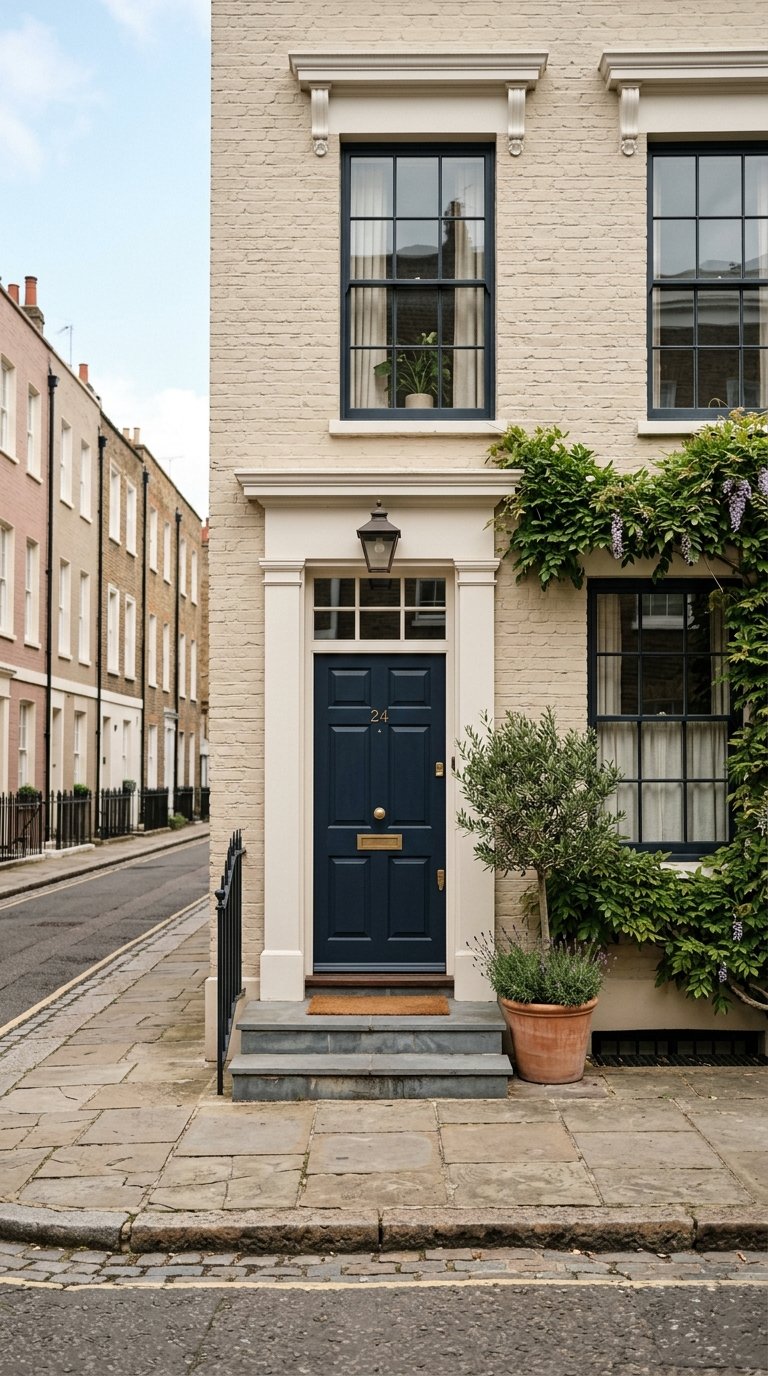
Trying to choose between living in The Village of Zionsville and a nearby neighborhood? That decision often comes down to more than home size or price point. It is really about how you want your day-to-day life to feel, and in Zionsville, the difference between the historic core and the surrounding neighborhoods can be meaningful. If you are weighing charm, walkability, yard space, parking, and overall lifestyle, this guide will help you compare the options more clearly. Let’s dive in.
The Big Difference Is Daily Lifestyle
Zionsville’s own planning documents describe the town as a mix of compact, walkable blocks in The Village, conventional suburban neighborhoods, equestrian estates, and larger agricultural areas. They also note that residential growth has expanded north along US 421 and west toward Whitestown over the past 20 years.
That means this is not a simple downtown-versus-suburb comparison. A better way to think about it is historic, pedestrian-oriented core versus a range of lower-density neighborhoods outside the core. Some nearby areas feel more connected and trail-friendly, while others offer a more traditional suburban layout with greater separation between homes.
What Living In The Village Feels Like
The Village is the heart of historic Zionsville, centered around Main Street and the surrounding blocks. Town materials refer to this area with overlapping terms like the historic Village, downtown area, and Village Business District.
If you live here, you are choosing a setting shaped by older street patterns, a compact layout, and close access to local destinations. The Village includes historic brick Main Street, locally owned restaurants, boutiques, art galleries, the Village Corner pocket park, and Lions Park just next to the center.
For many buyers, that translates into a lifestyle where you can walk to coffee, dinner, events, parks, and trail access. If you value being near activity and enjoy a neighborhood with visible character and a strong sense of place, The Village often stands out.
Village Density And Home Pattern
Town planning documents show that the Village Residential category is intended to preserve the historic core’s traditional height, bulk, area, and setback patterns. A 2026 zoning case cites the comprehensive plan’s recommended density for this area as 4.0 to 5.0 dwelling units per gross acre.
In practical terms, that usually means homes sit closer together than they do in many surrounding neighborhoods. Streets can feel more enclosed, and lot sizes may be smaller than what you would see in lower-density areas outside the core.
Village Walkability And Access
The Village has the strongest concentration of everyday conveniences in town. It also benefits from Zionsville’s broader pedestrian and trail planning, including the Big-4 Rail Trail, which serves as a five-mile central spine within a network of more than 20 miles of interconnected paved pathways.
That said, access and circulation are active planning issues in the area. Current planning pages for Main Street Momentum show that traffic flow, pedestrian safety, and access to the historic Village remain important community priorities.
Village Parking Trade-Offs
One of the biggest practical trade-offs in The Village is parking. A downtown parking study found that public parking in the downtown area was almost 80 percent utilized during the weekday peak hour, with Main Street between Sycamore and Cedar and nearby streets and lots highly used.
Later parking discussions described the existing downtown village as at capacity in future-development scenarios. For you as a buyer, that can mean Village living may come with more shared or public parking use, plus a greater expectation that some trips involve a short walk.
What Nearby Zionsville Neighborhoods Feel Like
Outside The Village, Zionsville includes a wide range of neighborhood types. Town planning materials contrast the historic core with more conventional suburban neighborhoods, and they show that much of the town’s residential growth has happened in lower-density forms beyond the center.
These neighborhoods often appeal to buyers who want more yard space, more privacy, and a more car-oriented daily routine. Instead of living in the middle of the town’s most walkable district, you may trade some proximity for a quieter setting and a more spacious homesite.
Lot Size And Density Outside The Core
The town defines single-family low-density residential as less than 1.0 to 2.0 dwelling units per gross acre. Rural and estate residential is defined at about 1 unit per 3 acres.
That is a significant contrast with the Village density range. In real life, it often means more space between homes, larger lots, and a neighborhood pattern that feels more open and suburban.
Sidewalks, Trails, And Neighborhood Design
Not every neighborhood outside The Village is the same. This is one of the most important points to keep in mind if you are comparing areas.
Town planning materials say newer neighborhoods should strengthen pedestrian connectivity and open space. They also note that some older neighborhoods were built before sidewalks were required, or received waivers, and that adding sidewalks later can be difficult.
So while some nearby neighborhoods offer sidewalks, trails, and common open space, others may have more limited pedestrian continuity. If walkability matters to you, it is worth looking at each neighborhood individually rather than assuming all non-Village areas function the same way.
Parking And Day-To-Day Convenience
Compared with The Village, nearby lower-density neighborhoods usually make everyday parking simpler. That is largely because they are shaped more like suburban residential areas than a historic downtown environment.
If you prefer the convenience of pulling into your driveway, having more private parking, and relying less on shared public spaces, a neighborhood outside the core may feel easier on a daily basis.
Village Vs Nearby Neighborhoods At A Glance
Here is the clearest way to compare the two lifestyles:
| Feature | The Village | Nearby Neighborhoods |
|---|---|---|
| Overall feel | Historic, compact, pedestrian-oriented | More spacious, suburban, varied in design |
| Density | About 4.0 to 5.0 dwelling units per gross acre | Less than 1.0 to 2.0, with some rural estate areas around 1 unit per 3 acres |
| Lot pattern | Smaller lots, homes closer together | More yard space, more separation between homes |
| Walkability | Strongest access to shops, dining, parks, and trails | Varies by neighborhood |
| Parking | More limited, higher shared/public parking use | Typically easier day-to-day parking |
| Lifestyle rhythm | Walk to local destinations and events | Drive more often, enjoy more space and privacy |
Which Area Fits Your Priorities Best
The right fit depends on what matters most to you. Neither option is better across the board. They simply support different ways of living.
If you are drawn to charm, proximity, and a more connected street experience, The Village may feel like home. If you would rather have a larger lot, more privacy, and a more typical suburban routine, nearby neighborhoods may be a better match.
The Village May Fit You If You Want
- Walkable access to restaurants, parks, events, and local businesses
- A historic setting with established character
- A compact neighborhood feel
- Close connection to the Main Street area and community activity
- Comfort with tighter street patterns and less parking convenience
Nearby Neighborhoods May Fit You If You Want
- More yard space and more separation between homes
- A quieter suburban pattern
- Easier day-to-day parking
- A wider range of newer neighborhood layouts
- Flexibility to choose between trail-connected areas and more traditional subdivisions
A Smart Way To Tour Zionsville
When buyers compare Zionsville, it helps to tour with lifestyle in mind, not just square footage. Start by asking yourself how you want a normal Tuesday to work. Do you picture walking to dinner or the park, or do you picture a little more space and a quieter street scene?
It also helps to visit more than one type of neighborhood. Because Zionsville includes a spectrum of development patterns, your best fit may not be obvious until you experience both the historic core and a few nearby neighborhoods in person.
As you compare options, pay attention to:
- How close homes sit to each other
- Whether sidewalks connect where you want to go
- How easy parking feels at different times of day
- How much you would use nearby trails, parks, and Main Street amenities
- Whether you prefer a busier, more active setting or a more separated residential feel
Why This Choice Matters For Buyers
Choosing between The Village and nearby neighborhoods can shape your routine just as much as the home itself. In Zionsville, the town’s planning documents make it clear that the community includes both a preserved historic core and a range of lower-density residential areas beyond it.
That is why the best decision usually comes down to fit, not labels. When you focus on how you want to live, the right neighborhood often becomes much easier to spot.
If you want help comparing The Village with nearby Zionsville neighborhoods, Lauren Hewitt can help you narrow your options and find the area that fits your lifestyle best.
FAQs
What is the difference between The Village and nearby Zionsville neighborhoods?
- The Village is Zionsville’s historic, compact, and pedestrian-oriented core, while nearby neighborhoods generally offer lower-density suburban living with more yard space and easier parking.
Is The Village of Zionsville more walkable than other neighborhoods?
- Yes. Town materials show The Village has the strongest concentration of shops, dining, parks, and trail access, though walkability outside the core varies by neighborhood.
Are homes in The Village of Zionsville closer together?
- Yes. Planning documents cite Village density at about 4.0 to 5.0 dwelling units per gross acre, which is higher than many surrounding residential areas.
Do nearby Zionsville neighborhoods have sidewalks and trails?
- Some do, especially newer neighborhoods designed with pedestrian connectivity and open space, but older neighborhoods may have gaps because some streets were built before sidewalks were required.
Is parking harder in The Village of Zionsville?
- Often, yes. Town parking studies found downtown public parking was heavily utilized, which makes parking a more noticeable trade-off in the Village than in many nearby neighborhoods.
How should buyers choose between The Village and suburban neighborhoods in Zionsville?
- The best approach is to compare your daily priorities, including walkability, lot size, privacy, parking, and how close you want to be to Main Street amenities and community activity.