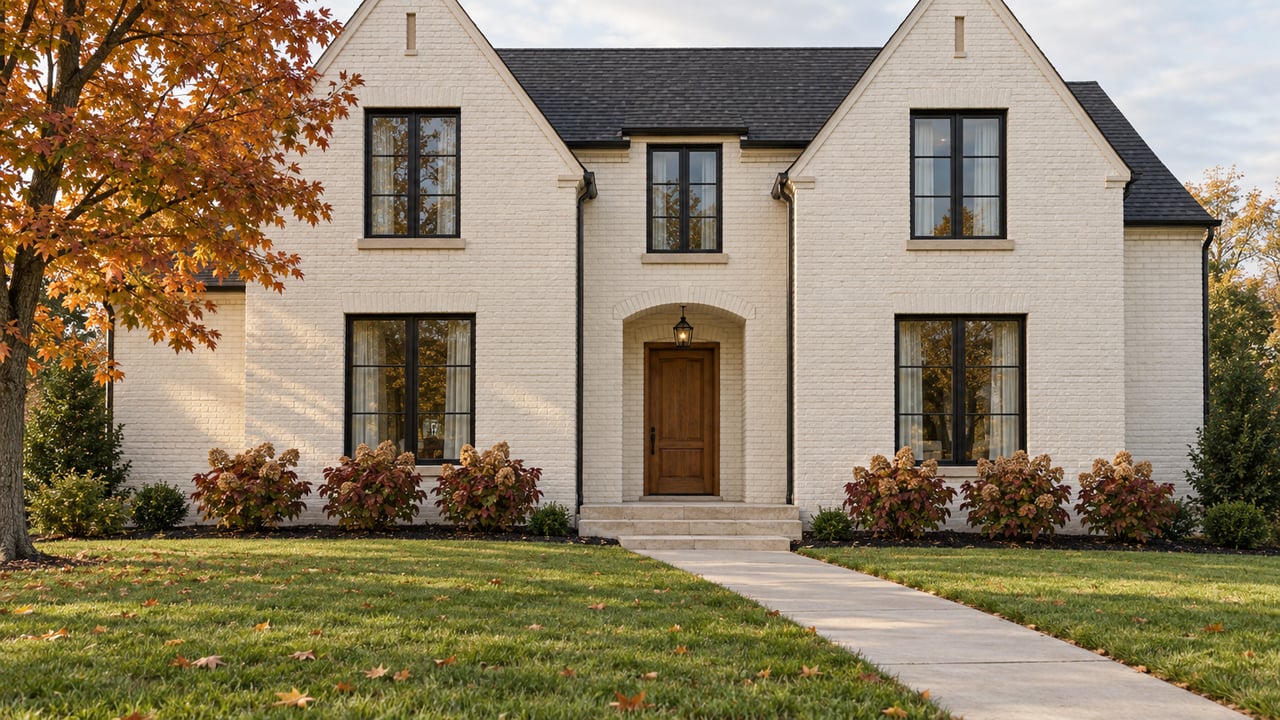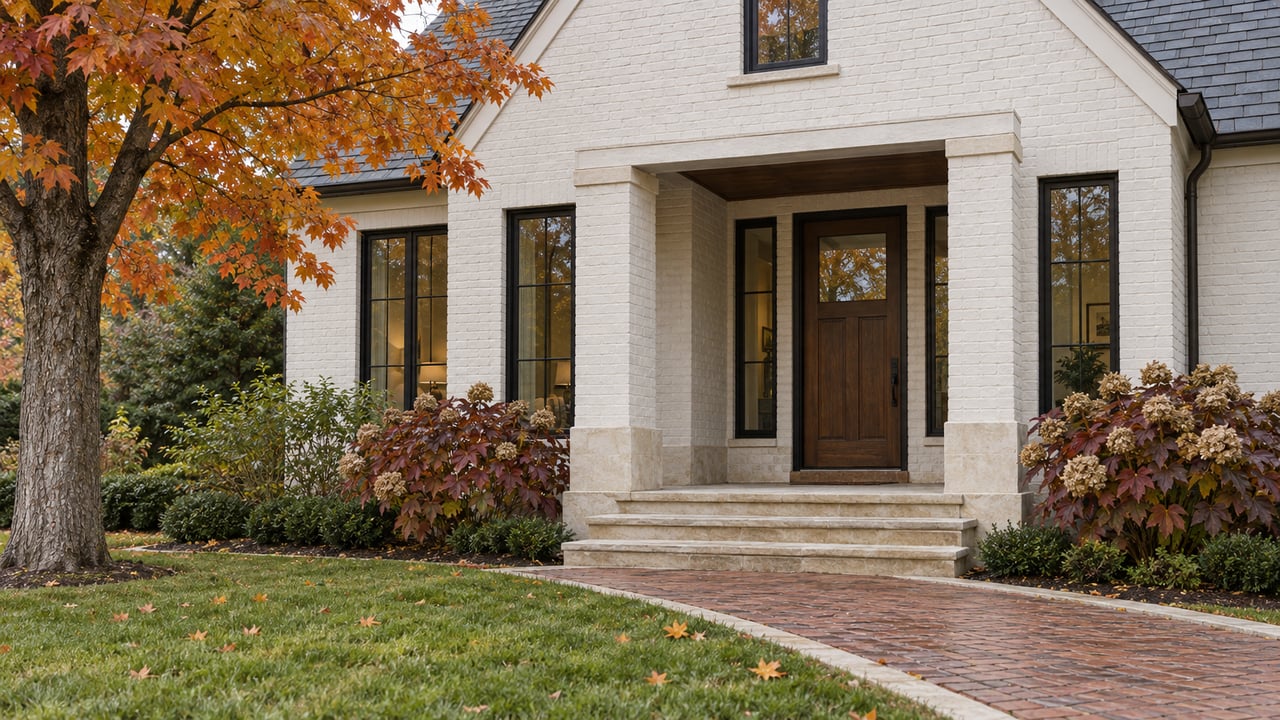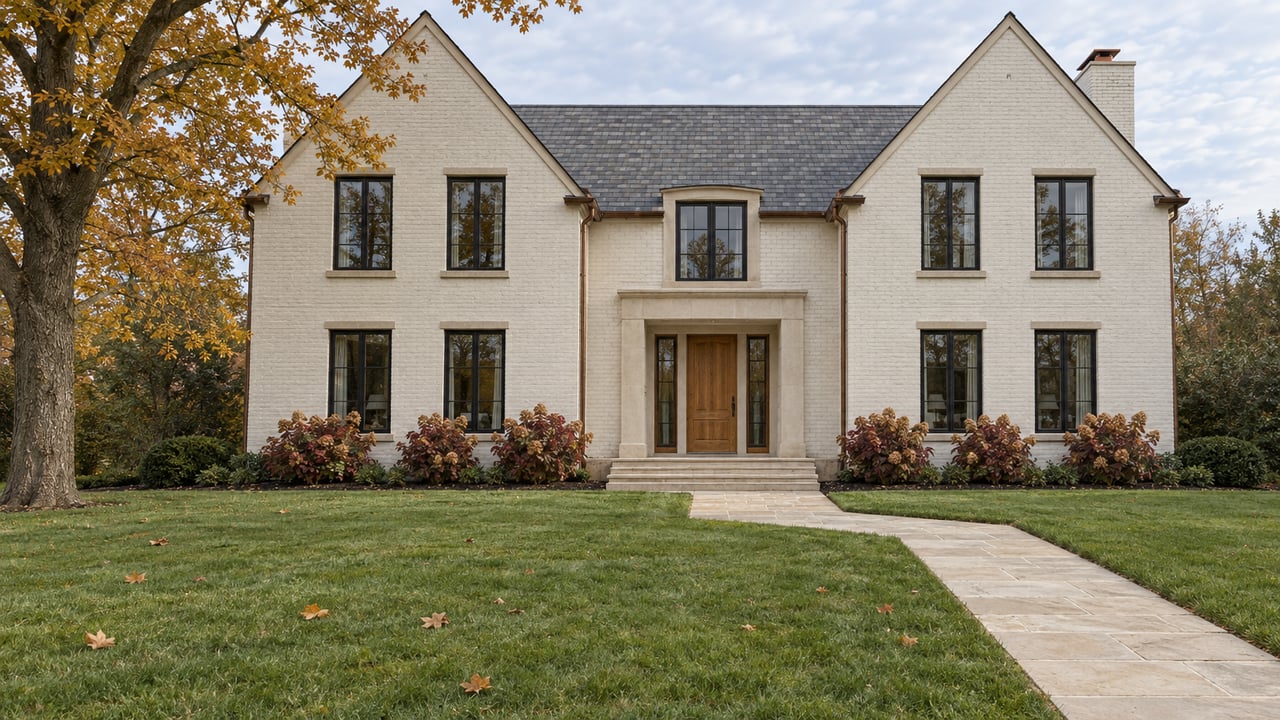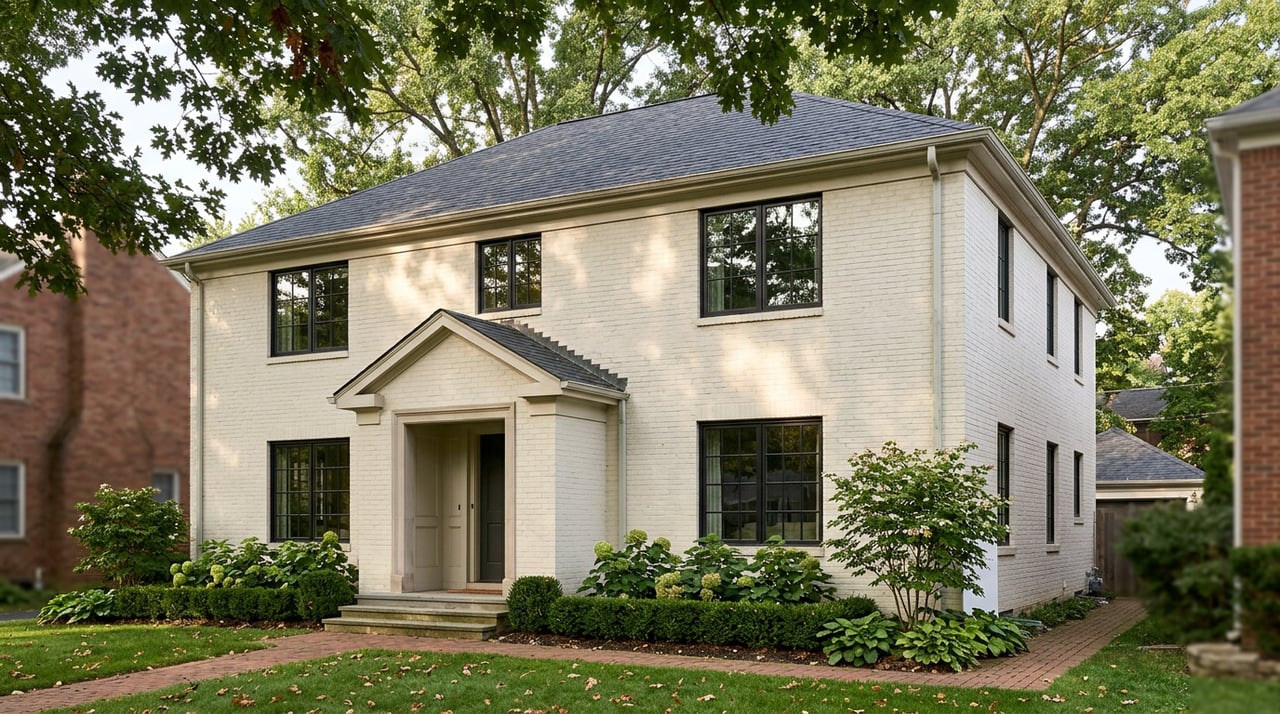
Every fall, a buyer falls for a 1920s foursquare on one of Meridian-Kessler's leafy blocks south of 44th Street. The hardwood floors gleam, the built-ins are original, the porch faces a canopy of mature trees that turns gold right on schedule. The general inspection comes back clean. Nobody looks at what's happening thirty feet underground, where the roots of that same canopy have spent a century pushing into a clay pipe nobody has scoped since it was installed.
That's the piece of this neighborhood most buyers miss until they own it: the feature that makes Meridian-Kessler worth a premium is the same feature working against its sewer lines. You can't separate the charm from the risk. They're the same trees.
The Feature That Sells the Block
Ask anyone why they want to live in Meridian-Kessler and the answer usually starts with the streets themselves: tree-lined, walkable, a mix of American Foursquares, Craftsman bungalows, and Tudor and Colonial Revival homes built by individual owners over several decades rather than a single developer's plan. The Meridian-Kessler Neighborhood Association represents more than 18,000 residents across the neighborhood's eight zones, and its long-running home tour and summer street party exist largely because residents want to show off exactly this: a block that still looks the way it did when the trees were young.
That canopy isn't incidental to the neighborhood's value. It's the value. Nobody prices a Meridian-Kessler listing without factoring in the mature landscaping and the historic streetscape that a new-construction subdivision in Westfield or Fishers simply can't replicate on a fifteen-year-old lot.
What's Actually Buried Under That Charm
Here's the part that doesn't show up in listing photos. Meridian-Kessler's housing stock went up mostly between the 1890s and the 1940s, which means most of its original sewer laterals are clay tile, not the PVC you'd find in a Carmel or Fishers home built after 1990. Some pockets of the neighborhood, particularly homes built or re-piped in the postwar years, may instead carry Orangeburg pipe, a wood-pulp-and-tar material used in residential laterals roughly between 1945 and 1972 that begins to delaminate after about fifty years of service.
Because Meridian-Kessler was built in waves rather than all at once, you can't assume a single pipe material for the whole neighborhood. A foursquare south of 44th Street may be sitting on original clay tile from the 1910s. A period revival west of College Avenue built a generation later may have Orangeburg. The only way to know which one you're buying is to look.
| Construction era | Typical lateral material | What drives failure |
|---|---|---|
| 1890s–1940s (clay tile, common across Meridian-Kessler's earliest blocks) | Clay tile | Cracking, joint separation, root intrusion |
| 1945–1972 (Orangeburg, found in some Meridian-Kessler pockets and postwar Indianapolis neighborhoods) | Orangeburg (wood pulp and tar) | Delamination after roughly 50 years |
| Pre-1980 replacements | Cast iron | Scale buildup narrowing the pipe's interior diameter |
| Post-1990 (typical of Carmel and Fishers) | PVC | Minimal, by comparison |
The mechanism that connects all of this back to the trees is root intrusion, which accounts for more than half of all sewer blockages nationally. Indianapolis bungalow lots from the 1920s through the 1960s often have mature silver maples planted within 30 feet of the lateral, and those roots don't need a crack to get in. They find the joints. A leafy, established block is, structurally speaking, a block where roots have had the most time to work.
The Inspection That Stops at the Foundation Wall
A standard general inspection in Meridian-Kessler runs a few hundred dollars and covers the home's visible systems: roof, HVAC, electrical, plumbing fixtures. It does not run a camera down the sewer lateral. Traditional inspectors check the faucets, toilets, and visible drains, but the run of pipe connecting the house to the city main, sometimes a hundred feet or more, stays completely unexamined.
That gap matters more here than in a newer subdivision because of the disclosure problem. A lateral that hasn't backed up recently isn't something most owners know is failing. If the seller has never had a scope done, the standard inspection won't catch it either. A buyer can close on a Meridian-Kessler foursquare with a completely clean inspection report and still inherit a lateral that's a season away from a full collapse.
What a Sewer Scope Actually Buys You
A sewer scope is a camera run down the cleanout, typically taking around 25 minutes, and it's usually ordered as an add-on alongside radon, pest, and chimney inspections during the standard Indiana inspection contingency window, which Haven Homes Indy says runs about 5 to 10 business days. The report shows you exactly what you're dealing with: root intrusion, joint separation, a narrowed cast iron interior, or nothing at all.
The financial upside of finding a problem before closing rather than after is not subtle. A full excavation and lateral replacement in an older Indianapolis neighborhood can run into the tens of thousands of dollars, with figures well past $15,000 cited for a complete dig-and-replace job. Trenchless repair, where the ground allows it, tends to move faster than traditional excavation, but either option is a conversation you want to have with leverage still on the table, not after you own the problem outright.
How This Should Shape Your Offer
If you're writing an offer on a home in Meridian-Kessler, treat the sewer scope the way you'd treat a radon test: not optional, not an afterthought, but a standard line item in your inspection request from the start. Ask for it inside your contingency window. If the scope comes back clean, you've paid a few hundred dollars for real peace of mind on a home whose charm depends on the very trees that could otherwise be working against you. If it doesn't come back clean, you now have a specific, camera-documented defect to negotiate against, whether that means a price reduction, a repair credit, or a request that the seller handle the fix before closing.
This is also worth flagging for financing. Major structural or utility repairs can complicate FHA and VA underwriting timelines, so a lateral issue caught early gives you room to renegotiate or adjust financing before you're locked into a closing date that can't move.
None of this should scare you off a neighborhood where the housing stock and the tree canopy are the whole point. It just means the diligence looks different than it would on a five-year-old build in Westfield. Older infrastructure is a known, quantifiable, negotiable cost. It only becomes an unpleasant surprise if nobody looks for it before the closing table.
FAQ
Does every home in Meridian-Kessler have clay tile or Orangeburg pipe? Not necessarily. The neighborhood was built in waves across several decades, so the material depends on when that specific block or that specific lateral was last replaced. A scope is the only way to know for a given address.
Is a sewer scope required, or just recommended? It's an optional add-on, not a required part of a standard Indiana home inspection. In a neighborhood with this much pre-1980 infrastructure, most experienced buyers request it anyway.
Will the seller's disclosure mention the sewer line? Not necessarily. Since lateral defects rarely surface until there's a backup, the seller may not know about them, which is exactly why the scope matters.
If you're weighing a Meridian-Kessler foursquare against a newer build elsewhere in Hamilton County, this is the kind of neighborhood-specific detail worth walking through before you write an offer. Lauren Hewitt works this market block by block and can help you build an inspection strategy that fits the home you're actually buying, not a generic checklist. Browse current Meridian-Kessler homes for sale or reach out directly to talk through your specific address before your inspection window opens.
This article is general information, not legal, tax or financial advice. Consult a qualified professional about your situation.