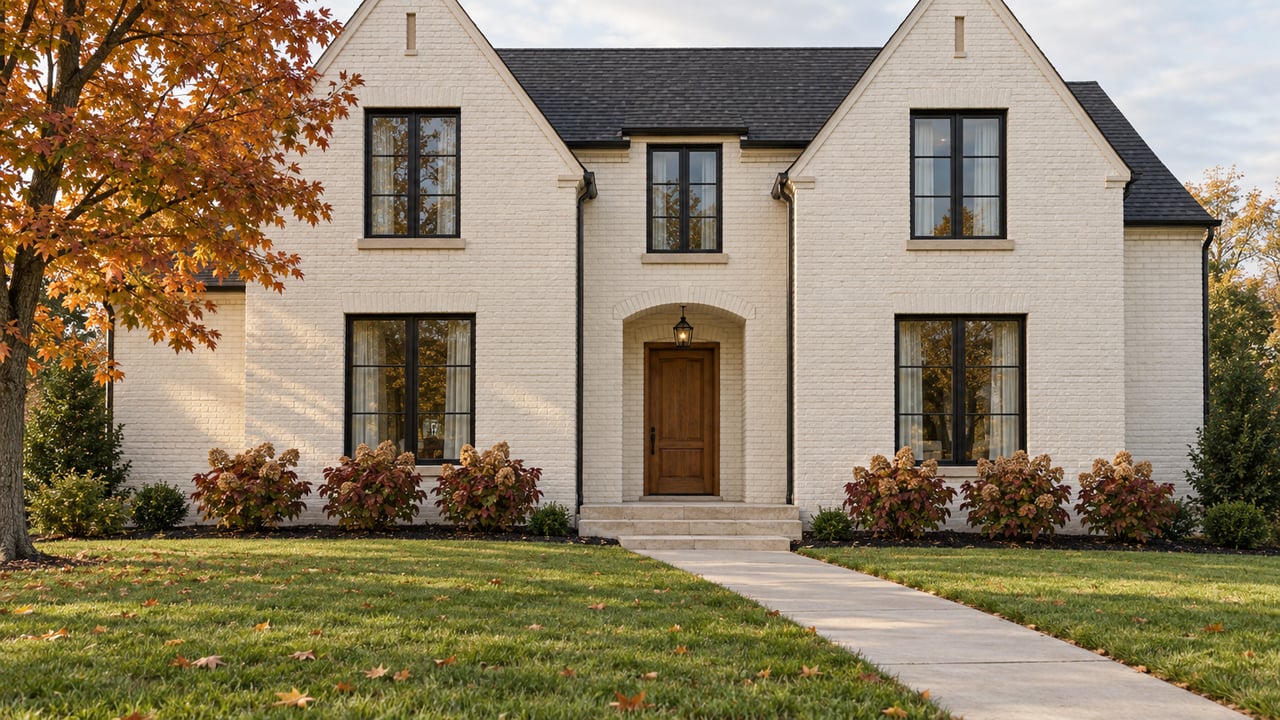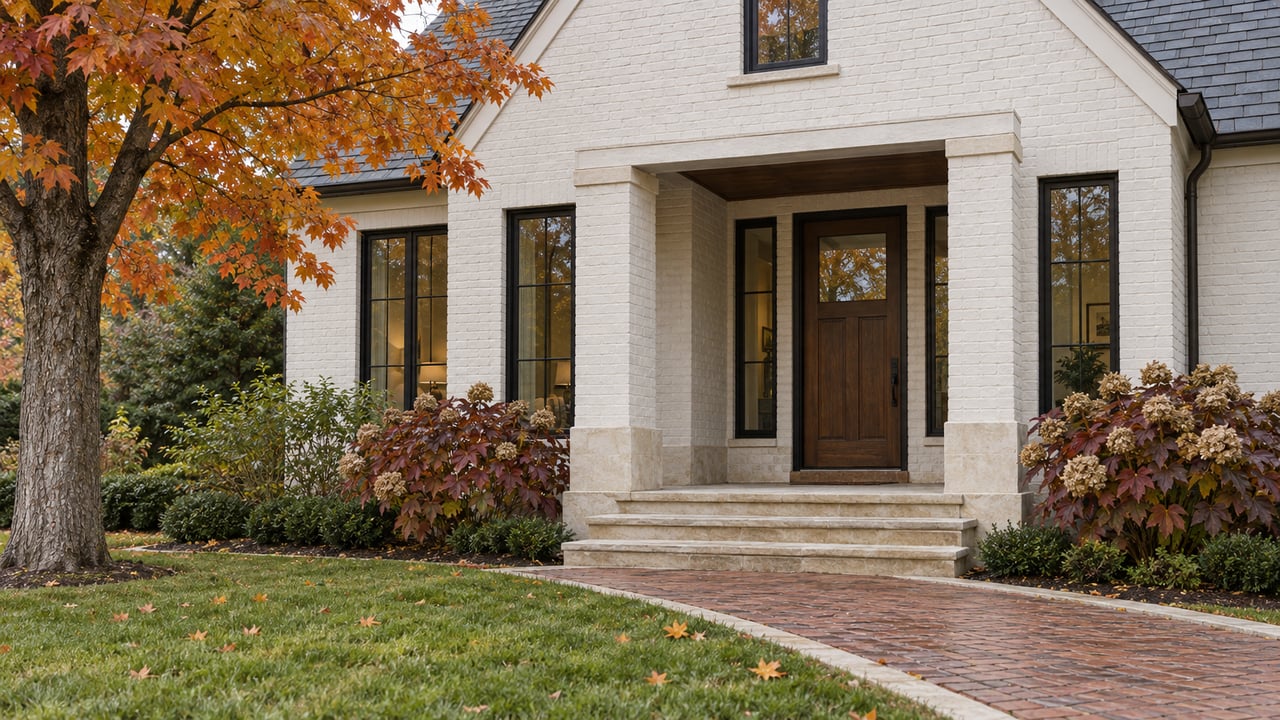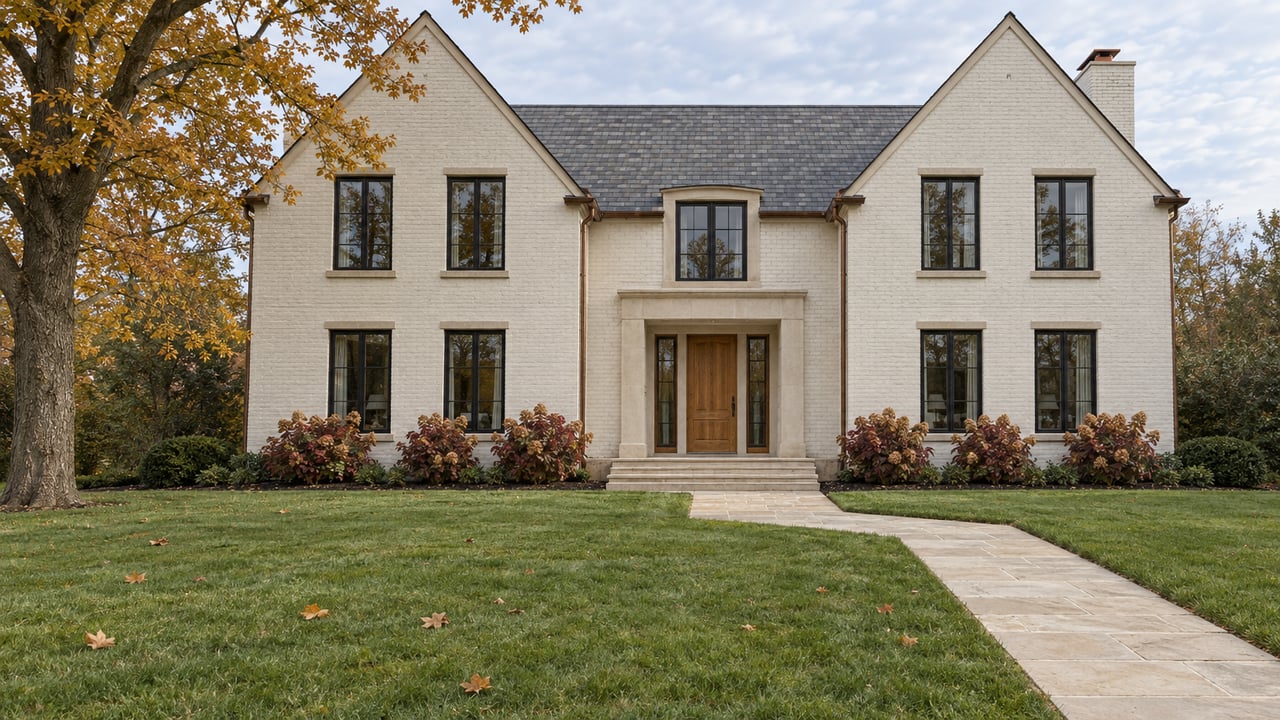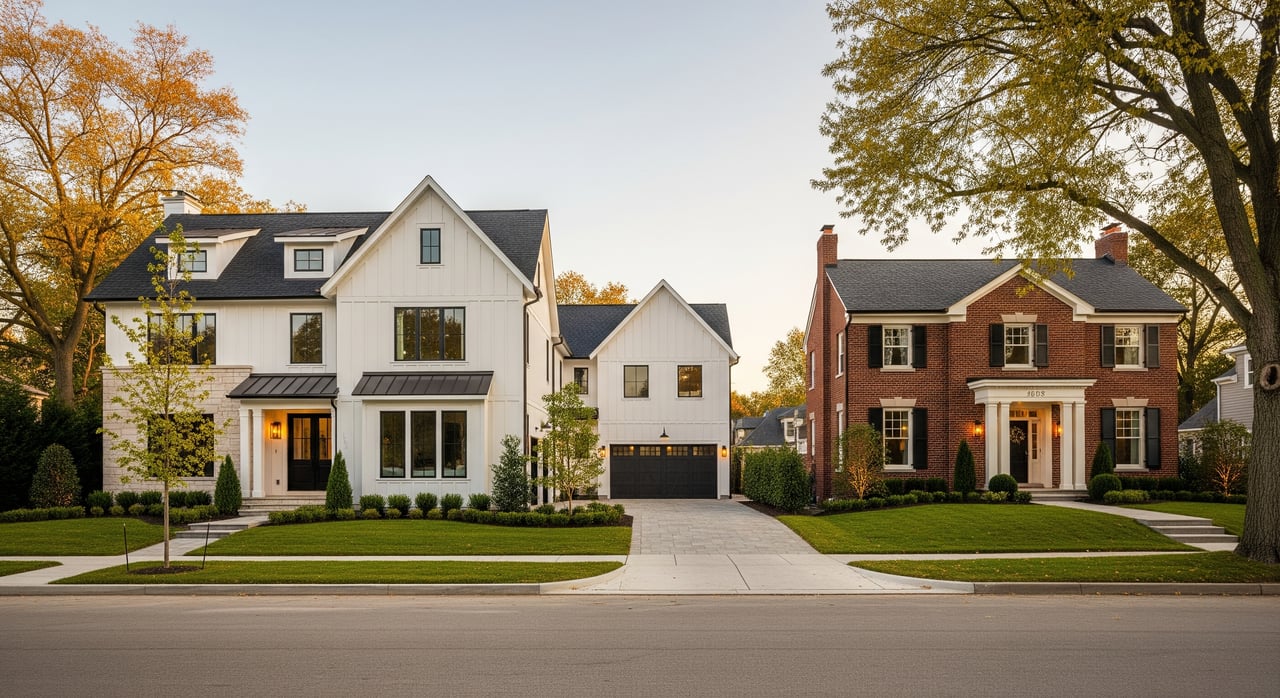
Trying to decide between a brand-new build and a move-in-ready resale in Westfield? You are not alone. With growth around Grand Park and steady development across the city, you have strong options in both master-planned communities and established neighborhoods. In this guide, you will compare costs, timelines, warranties, inspections, and HOA rules so you can choose the right fit for your goals. Let’s dive in.
Westfield market context
Westfield’s momentum has been fueled by the Grand Park Sports Campus and ongoing city investments in roads, parks, and commercial corridors. That growth supports both new construction communities and healthy resale activity in older subdivisions. If you want new amenities and modern floor plans, you will find many choices. If you prefer mature trees and established streets, you will find that too.
Because local statistics like median prices and days on market change often, rely on the most recent local MLS data or county records when you are close to a decision. Your priorities and timing will matter more than any single data point.
Cost comparison: total cost of ownership
Sticker price rarely tells the whole story. Look at purchase costs plus taxes, HOA dues, insurance, utilities, and near-term maintenance to understand your total cost of ownership.
New construction purchase costs
- Base lot price and home base price for the floor plan you select.
- Optional upgrades and design center selections for finishes like cabinets, flooring, lighting, and appliances.
- Lot premiums for preferred locations within the neighborhood such as water views or cul-de-sacs.
- Site costs for grading, driveways, and stormwater needs, which may be included or itemized.
- Builder incentives that can reduce your rate, cover closing costs, or include upgrades. These change with demand and by builder.
Resale purchase costs
- A negotiated sale price driven by current inventory and demand in your price band.
- Potential discounts if a home needs visible repairs or has been on the market longer than average.
Ongoing costs in Hamilton County
- Property taxes: Both new and resale homes are assessed by Hamilton County. New construction assessments often adjust after completion, which can change your tax bill in the first reassessment cycle.
- Insurance: New builds may qualify for lower premiums early in ownership because the roof, systems, and materials are new. Location and replacement cost still drive pricing.
- Utilities and impact fees: Some new communities include one-time connection or development fees. Verify with the City of Westfield Planning and Building Department or utility providers.
- Maintenance: New homes typically carry lower near-term maintenance due to age and warranty coverage. Resale homes may require capital items like HVAC, roof, or appliance updates sooner.
Financing differences
- New construction: You may use a construction or construction-to-permanent loan with interest-only draws. Many builders offer preferred lenders and incentives tied to that lender. FHA and VA financing can be available with approved builders and extra inspection steps.
- Resale: Most buyers use a conventional fixed-rate mortgage with standard underwriting and a typical 30 to 60 day closing timeline.
Bottom line: If you want maximum predictability, resale can make your budget easier to forecast. If you value customization and can handle upgrade decisions and potential add-ons, a new build may be worth the premium.
Timelines and process
Your move-in timing can be the deciding factor.
New construction timelines
- Spec or inventory homes: Often 2 to 6 months from contract to closing, sometimes sooner if move-in ready.
- Build from plan: Commonly 6 to 12 months or longer depending on builder schedule, permits, materials, and weather.
- Milestones: Contract, permitting, site work, foundation, framing, mechanical rough-ins, insulation and drywall, finishes, municipal inspections, certificate of occupancy, closing.
Delays can happen due to permit processing, subcontractor schedules, materials like windows or appliances, and Indiana weather. If your move date is firm, ask the builder to outline a realistic schedule and contingencies in writing.
Resale timelines
A typical resale closing takes 30 to 60 days. You will complete inspections within the contingency window, negotiate repairs or credits, finalize the loan, and close. This path is usually faster than building and has fewer variables.
Inspections: why both paths need them
Municipal building inspections check code compliance, not buyer interests. Independent inspections help you understand quality, safety, and long-term performance.
New construction inspections
- Pre-drywall inspection to check structure, mechanical routing, and fire blocking before walls are closed.
- Final inspection to review functionality, safety, and workmanship before closing.
- Grading and drainage review to confirm the lot sheds water properly. Document ponding concerns early.
- Warranty walkthrough at about 11 months to submit any items before coverage expires.
Builders handle municipal inspections and punch-list items, but you should still hire your own inspector. A thorough third-party review protects your investment.
Resale inspections
- A comprehensive home inspection is standard. It typically covers structure, roof, electrical, plumbing, and HVAC. For a helpful overview of what inspectors evaluate, review ASHI’s explanation of a standard home inspection.
- Supplemental tests are common for older homes: sewer scope, pest inspection, and radon testing. For pre-1978 homes, sellers provide required disclosures and you should understand rules on lead-based paint. See the EPA’s guidance on real estate lead disclosures.
Negotiation after inspection can change your closing time and cash needed at closing. Plan for that flexibility.
Warranties and punch-list expectations
One of the biggest differences between new and resale is warranty coverage.
Typical builder warranty tiers
- About 1 year of limited coverage for workmanship and materials affecting finishes and cosmetic items.
- About 2 years of coverage for mechanical systems like HVAC, plumbing, and electrical.
- About 10 years of limited structural coverage for load-bearing components.
Warranties vary by builder. Confirm whether coverage is backed by a third-party warranty company and learn the claim process and timelines. Keep a detailed list of issues at your final walkthrough and submit warranty tickets within required windows.
Resale protection
Resale homes do not come with builder warranties. Some sellers offer a third-party home warranty at closing, but it typically covers limited components and service calls. Prioritize a thorough inspection and set a budget for near-term capital items.
HOA realities: new communities vs established associations
HOA rules and budgets shape your monthly costs and lifestyle. Review them with care.
New community HOAs
- Developer control: Early in a community’s life, the developer usually controls the HOA board and sets the covenants, conditions, and restrictions. Assessments can change once control shifts to homeowners.
- Design standards: New HOAs often have strict rules for exterior colors, fences, and landscaping. This supports uniform curb appeal but limits flexibility.
- Amenity phases: Pools, trails, and clubhouses may be built in stages. Confirm timelines and funding so fees and access match your expectations.
Established HOAs
- Financial health: Review the current budget, dues, reserve balance, and any recent or pending special assessments.
- Meeting minutes: Scan recent meeting notes for maintenance plans, rule updates, disputes, or planned capital projects.
- Management: Learn whether the HOA is self-managed or uses a professional company. This affects communication and fee structures.
- Transfer documents: Verify estoppel certificates and compliance letters during closing to avoid surprises.
Near Grand Park considerations
Neighborhoods close to Grand Park can see seasonal traffic, parking overflow during events, and an uptick in short-term rental interest. If any of those matter to you, confirm HOA rules on parking, guest policies, and short-term rentals before you commit.
Which is right for you? A simple framework
Use your goals to guide the choice.
- Timeline to move:
- Need to move in 30 to 60 days: Resale is usually best.
- Can wait 6 to 12 months and want customization: New construction fits.
- Desire for customization:
- Want to pick finishes and modify plans: New construction.
- Comfortable with existing layouts and mature landscaping: Resale.
- Maintenance tolerance:
- Want fewer near-term repairs and warranty support: New construction.
- Comfortable addressing maintenance as needed: Resale.
- Budget predictability:
- Prefer fewer surprises: Resale is often more predictable.
- Can handle upgrade costs and potential add-ons: New construction.
- Neighborhood maturity:
- Want established trees and infrastructure: Resale neighborhoods.
- Want modern amenities and newer schools or retail access: New communities.
- Investment outlook:
- Established areas offer clearer comparable sales and turnover history.
- New areas near ongoing development may see appreciation but comps can be limited early on.
Quick checklists you can use
A little preparation will help you move forward with confidence.
If you are building new
- Confirm a detailed build timeline with milestones and what happens if delays occur.
- Get the full list of what is included vs upgrade, and price out your must-haves early.
- Review builder warranty documents, including who backs them and how to file claims.
- Ask for HOA disclosures, amenity completion schedules, and expected dues after developer turnover.
- Plan for landscaping, window treatments, and appliances that may not be included.
- Hire an independent inspector for pre-drywall, final, and 11-month warranty checks.
- Talk to a lender experienced in construction or builder-close programs to compare total costs.
If you are buying resale
- Order a comprehensive home inspection and add a sewer scope, pest inspection, and radon test when appropriate.
- For homes built before 1978, understand lead-based paint disclosures and safety practices.
- Review HOA governing documents, budget, reserves, and recent meeting minutes.
- Request recent utility bills and service provider info to estimate monthly costs.
- Use current neighborhood comparables to inform your offer and appraisal expectations.
How I help you choose with confidence
You deserve clear, calm guidance as you weigh your options. I help you compare total ownership costs, set realistic timelines, and plan inspections and warranty steps so nothing falls through the cracks. For new construction, I coordinate with builders, track milestones, and ensure your selections match your budget. For resales, I structure offers around your priorities and negotiate inspection items that protect your bottom line.
Through F.C. Tucker’s trusted partners, you also gain access to mortgage guidance and vetted vendors, which simplifies every stage from offer to move-in.
When you are ready, let’s talk about your timing, must-haves, and neighborhood preferences. Together we will build a plan that fits your life in Westfield.
Ready to take the next step? Connect with Lauren Hewitt for a personalized strategy and on-the-ground support.
FAQs
What costs make new construction more expensive in Westfield?
- New builds often include lot premiums, design upgrades, and site costs in addition to the base price. While builders may offer incentives, total cost can rise with selections and add-ons.
How long does a Westfield new build usually take?
- Inventory homes can close in 2 to 6 months. Building from a plan often takes 6 to 12 months or longer, depending on permits, weather, and materials.
Do I still need a home inspection on new construction?
- Yes. Municipal checks focus on code compliance. Independent inspections at pre-drywall and final stages protect your interests and help document warranty items.
What should I look for in HOA documents?
- Review covenants, budgets, reserve balances, meeting minutes, and any special assessments. For new communities, confirm amenity timelines and expected dues after developer turnover.
How do taxes differ for new vs resale in Hamilton County?
- Both are assessed by the county. New build assessments often adjust after completion, so tax bills can change at the first reassessment. Verify parcel details before buying.