Wondering what really helps a Zionsville home stand out in a premium market? When buyers are comparing homes online and in person, the smallest details can shape their first impression fast. If you want to position your home for a top-dollar sale, the goal is not to over-improve. It is to present your home in a way that feels cared for, polished, and true to its setting. Let’s dive in.
Why prep matters in Zionsville
Zionsville is a market where presentation carries real weight. Recent market trackers placed the town in a higher price band, with reported median prices around the upper-$600,000s to $800,000 depending on the source and methodology, and homes often moving in about 29 to 35 days. In a market like that, condition, staging, and pricing precision all matter.
Zionsville also has a distinct identity. The town is known for its historic Village, brick-street character, mature trees, parks, and a housing mix that ranges from older homes near the Village to newer development along U.S. 421. That means your prep plan should match your home’s age, style, and location rather than follow a one-size-fits-all checklist.
Start with curb appeal
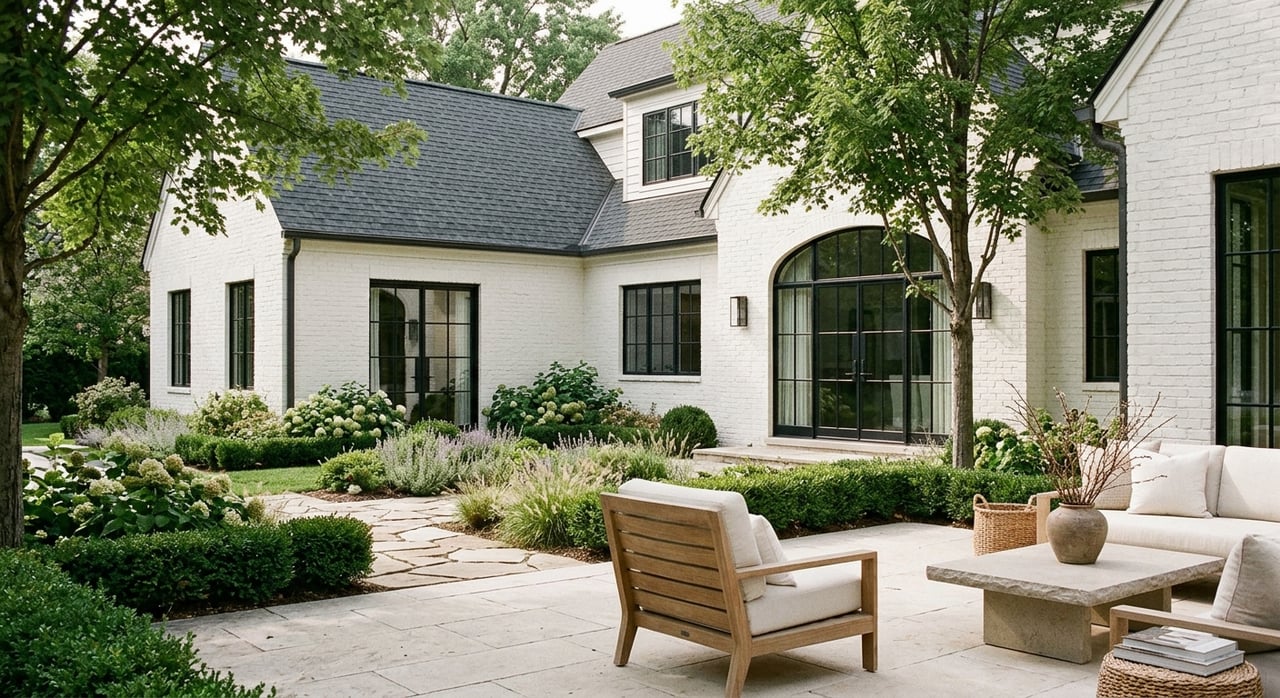
Your exterior is the first showing. In Zionsville, buyers often respond to homes that feel well maintained and visually in step with the town’s tree-lined, polished character. That usually means simple, clean improvements rather than dramatic landscaping or trendy design choices.
Focus first on maintenance and clarity. The best curb appeal often comes from healthy trees, trimmed shrubs, fresh mulch, clean hardscape, and a front entry that feels photo-ready. You want buyers to notice the home itself, not distractions around it.
Keep landscaping simple
Zionsville has emphasized urban forestry and streetscape beautification for years, and that local character shapes buyer expectations. Landscaping should feel intentional and cared for, not fussy or overdone. Mature trees, neat planting beds, and a clean lawn usually fit the market better than elaborate seasonal displays.
If branches or overgrowth hide the front elevation, trim them back. Buyers should be able to see the architecture clearly from the street and in listing photos. A tidy, open view can make the home feel larger and better maintained.
Refresh the front entry
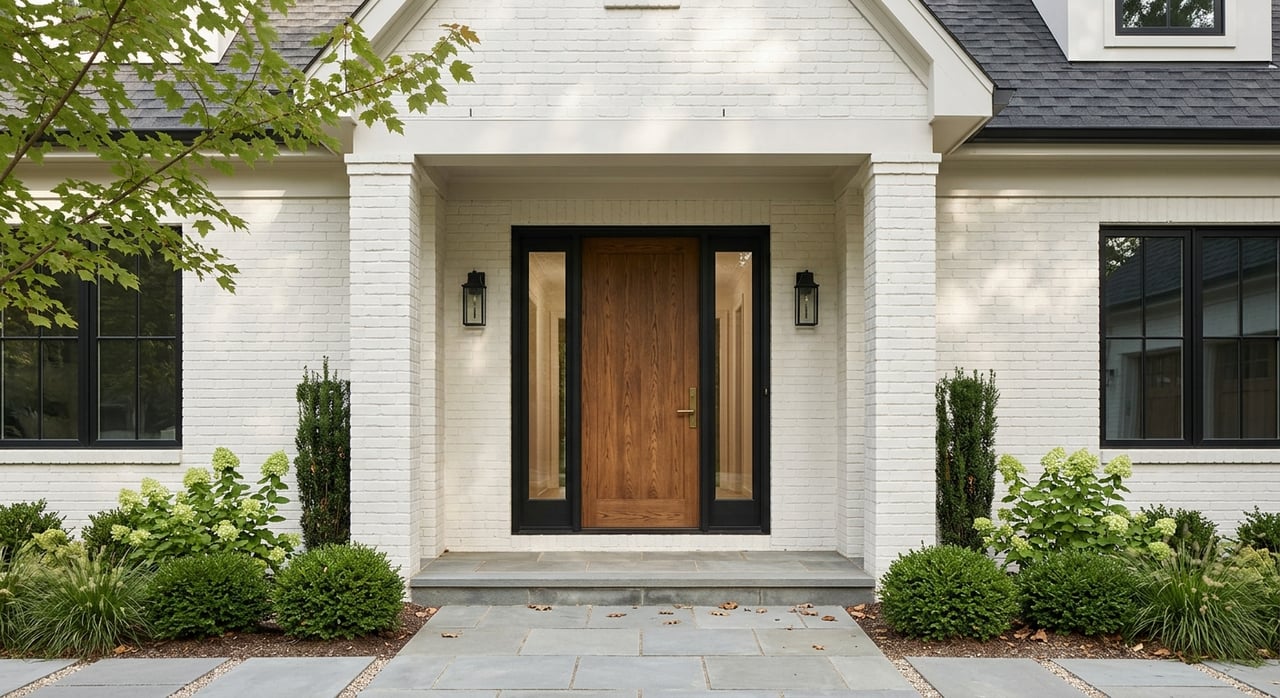
Small entry updates can have an outsized impact. Washing siding and walkways, repainting or refinishing the front door, and updating house numbers or exterior lighting can all help the home feel current without changing its character.
Pay attention to the front walk and porch too. Since Zionsville’s planning emphasizes walkability and connections to parks, trails, downtown, and the Village Business District, the approach to the home becomes part of the buyer experience. A clean, welcoming entry sends the right signal before anyone steps inside.
Check local rules before exterior work
If your home is in or near the historic Village, pause before making visible exterior changes. Zionsville’s historic preservation rules may require a certificate of appropriateness for certain exterior color changes, fences, additions, alterations, or other visible work in historic districts.
Some projects can also require permits, especially if they affect the public right-of-way. Driveway work, sidewalk-related repairs, or changes that touch a public street or alley may need town approval. Before spending money on exterior updates, it is smart to confirm what is allowed and what requires review.
Make the interior feel warm and easy to picture
Inside the home, your goal is simple: help buyers imagine living there. Staging research continues to support that approach. In the National Association of Realtors’ 2025 staging report, 83% of buyers’ agents said staging helps buyers visualize a property as a future home, and many sellers’ agents reported benefits for both value and time on market.
That matters because buyers usually see your home online first. Photos shape whether they book a showing, and the first few rooms often carry the most weight. A well-prepared interior can make your home feel more spacious, more polished, and more memorable.
Choose neutral, not cold
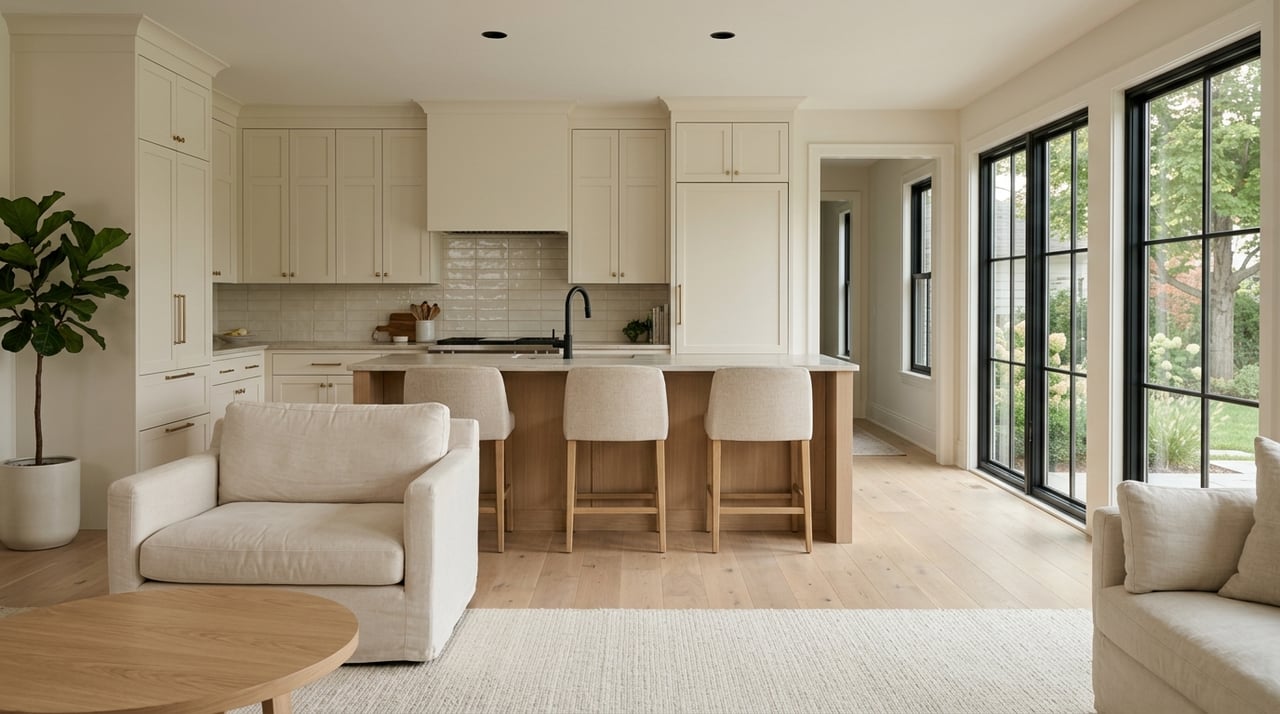
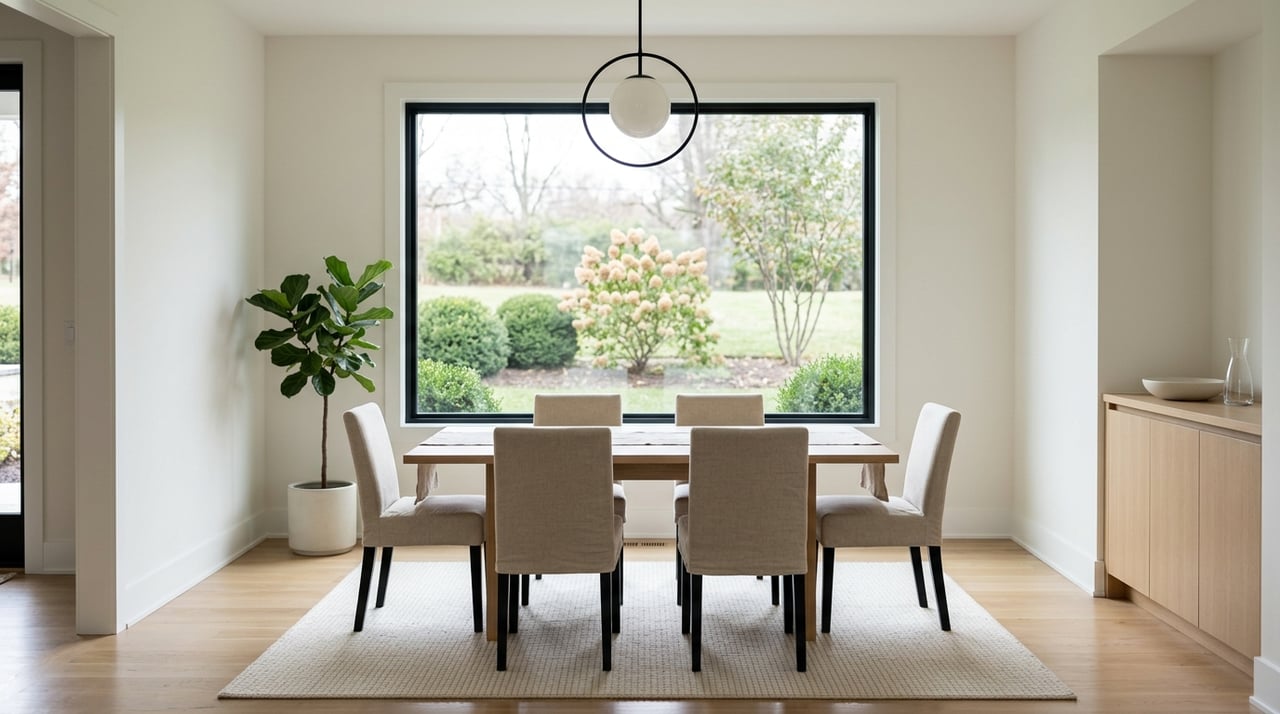
In Zionsville, the strongest interior style is usually neutral but warm. Think light paint colors with some depth, uncluttered surfaces, layered lighting, and finishes that feel calm instead of stark.
This is especially important in photos. Overly glossy, overly cool, or highly personal spaces can distract from the home itself. A softer, more natural look helps buyers focus on layout, light, and architectural detail.
Match the prep to the home
Zionsville’s housing stock is varied, so your strategy should reflect that. If you are selling an older home, preserve details that give it personality, such as trim, hardwood floors, fireplaces, built-ins, or original millwork. The goal is to reduce visual noise without erasing character.
If you are selling a newer home, focus on making builder-grade spaces feel more custom. Better lighting, simple art, textured rugs, updated hardware, and clean fabric layers can help the home feel elevated without a major renovation.
Prioritize the rooms buyers notice most
Not every room needs the same level of effort. The spaces that usually deserve the most attention are:
- The entry
- The living room
- The kitchen
- The primary suite
- Any flex space that could function as an office, guest room, or playroom
These rooms often shape the emotional impression of the home. If they feel bright, clear, and well scaled, buyers are more likely to view the rest of the property positively.
Remove distractions before photos
Clutter competes with your home. Before photography and showings, remove excess furniture, visible cords, pet items, and anything that interrupts sightlines. Surfaces should feel intentional, not empty but not crowded either.
This is one area where restraint matters. Buyers should be able to read room size, traffic flow, and focal points easily. If they can understand the space quickly, they are more likely to connect with it.
Use a smart prep timeline
The best results usually come from planning ahead. If you wait until the week before listing, you may run out of time for repairs, approvals, or thoughtful presentation. A simple timeline can keep the process manageable.
6 to 12 months before listing
This is the right window for bigger maintenance items and any work that takes time to schedule or complete. Focus on:
- Roof or gutter work
- Wood-rot repair
- Caulking and sealing
- Grading or drainage fixes
- Exterior paint planning
- Exterior changes that may require review or permits
If your home is in a historic area or near the Village, confirm local requirements before starting visible exterior work. That extra step can help you avoid delays and unnecessary costs.
1 to 3 months before listing
This phase is about presentation. Focus on the details that make the home feel clean, current, and move-in ready:
- Decluttering
- Deep cleaning
- Paint touch-ups
- Carpet or floor refreshes
- Lighting updates
- Landscaping cleanup
At this stage, highlight the features that fit Zionsville’s appeal. Mature trees, inviting outdoor spaces, and architectural character should feel like assets, not background noise.
Photo and launch week
Photos should happen only after the home is fully prepared. Once staging is complete and the exterior is freshly cleaned, handle the final details that improve every image:
- Open all window coverings
- Turn on interior lights
- Set tables simply
- Remove trash bins and hoses
- Move extra cars
- Clear visible storage items
Your listing should look move-in ready while still feeling honest to the home’s architecture and age. Buyers can usually tell when a home has been thoughtfully prepared, and that trust matters.
Focus on polish, not perfection
Preparing for a top-dollar sale does not mean chasing every possible upgrade. In many cases, the better strategy is to fix what feels neglected, simplify what feels busy, and highlight what already makes your home appealing.
In Zionsville, that often means respecting the setting. A home near the Village may benefit from preserving original details and checking local review rules before making changes. A newer home may benefit from warmth, editing, and a more elevated presentation. Either way, buyers tend to respond best when a home feels cared for, coherent, and easy to picture as their next move.
If you are thinking about selling in Zionsville and want a prep plan tailored to your home, neighborhood, and timeline, Lauren Hewitt can help you build a smart strategy from pricing and presentation to launch.
FAQs
What home improvements help a Zionsville home sell for more?
- The most helpful updates are usually maintenance-driven and presentation-focused, such as exterior cleaning, landscaping cleanup, front door refreshes, paint touch-ups, lighting updates, decluttering, and staging key rooms.
What should sellers know about historic home updates in Zionsville?
- If your home is in or near a historic district, certain visible exterior changes may require a certificate of appropriateness, so it is important to check town rules before starting work.
What rooms matter most when preparing a Zionsville home for listing photos?
- The entry, living room, kitchen, primary suite, and any flex space usually deserve the most attention because they often shape the strongest first impression online.
When should you start preparing a Zionsville home for sale?
- Ideally, start 6 to 12 months ahead for larger repairs or exterior work, then use the final 1 to 3 months for decluttering, cleaning, touch-ups, and staging.
Does staging really matter when selling a home in Zionsville?
- Yes. Staging can help buyers visualize the home more easily, improve online appeal, and support a stronger overall presentation in a market where condition and first impressions matter.