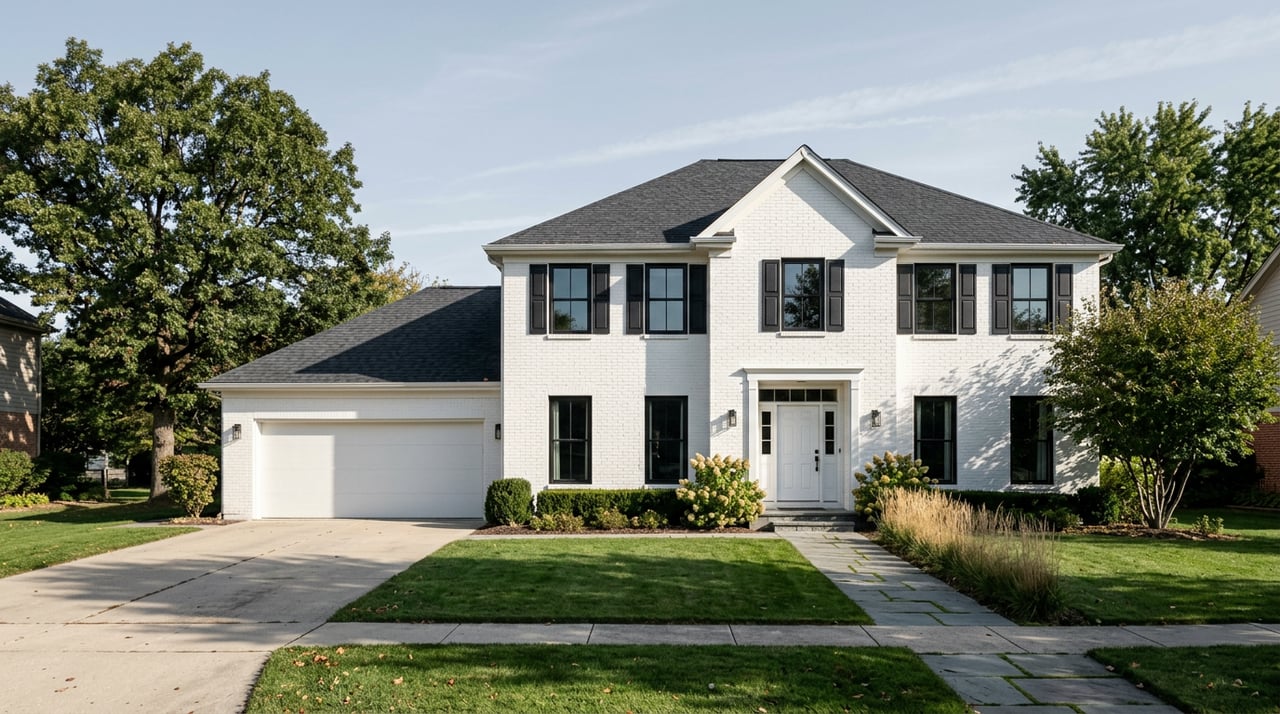
Why would two homes listed within a half mile of each other, both priced around $700,000, come with completely different monthly bills and completely different rules about what color you can paint your front door?
That question sits at the center of shopping in West Carmel, and most buyers don't ask it until they're already confused by a search results page that shows a $420,000 townhome next to an $1.8 million estate under the same neighborhood label. The confusion isn't a data error. It's the honest result of two very different real estate products sharing one geographic name.
One Name, Two Communities
West Carmel isn't a single subdivision. It's a cluster of communities that grew up on the west side of Carmel from the early 1990s through the 2000s, and the most architecturally distinct piece of that cluster is the Village of WestClay, a master-planned, new-urbanism community built around a walkable village center. Around and beyond WestClay sit conventional suburban subdivisions such as Ambleside, a Pulte-built community of townhomes and single-family homes at 146th Street and Towne Road with its own separate homeowners association.
Both fall under the "West Carmel" umbrella that shows up in a home search. Neither behaves like the other once you own there.
What the Village Center Actually Includes
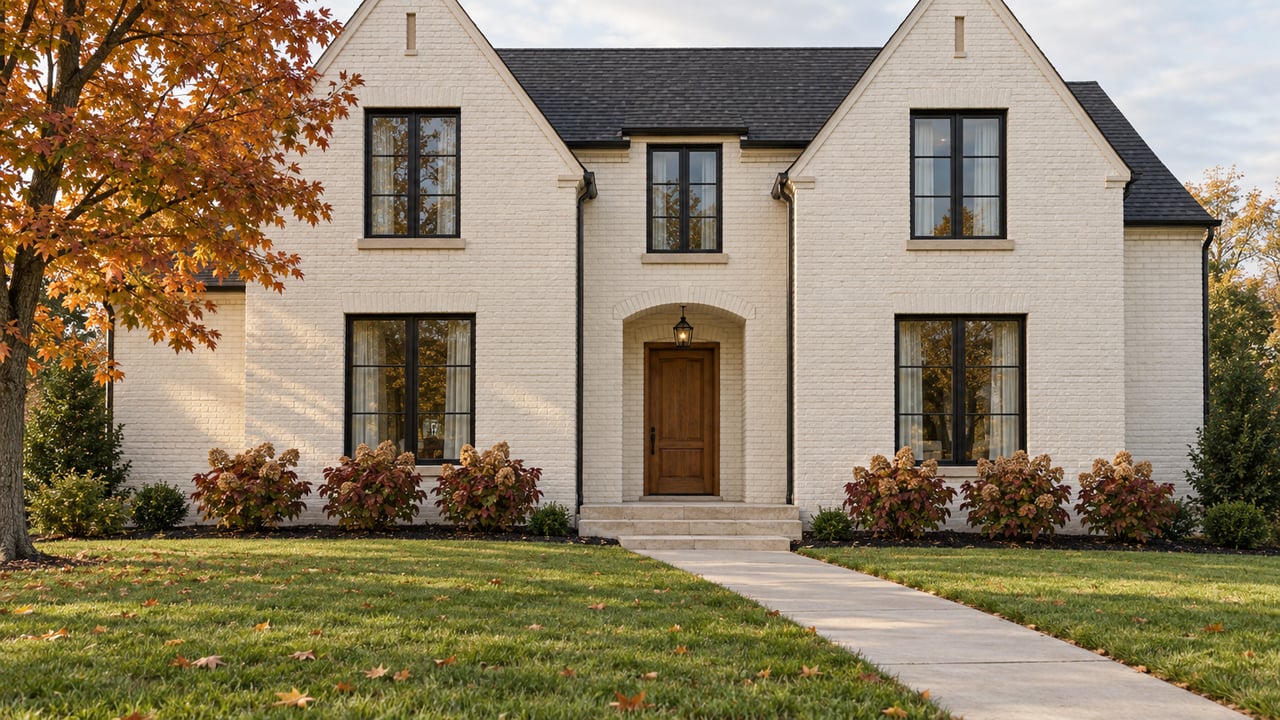
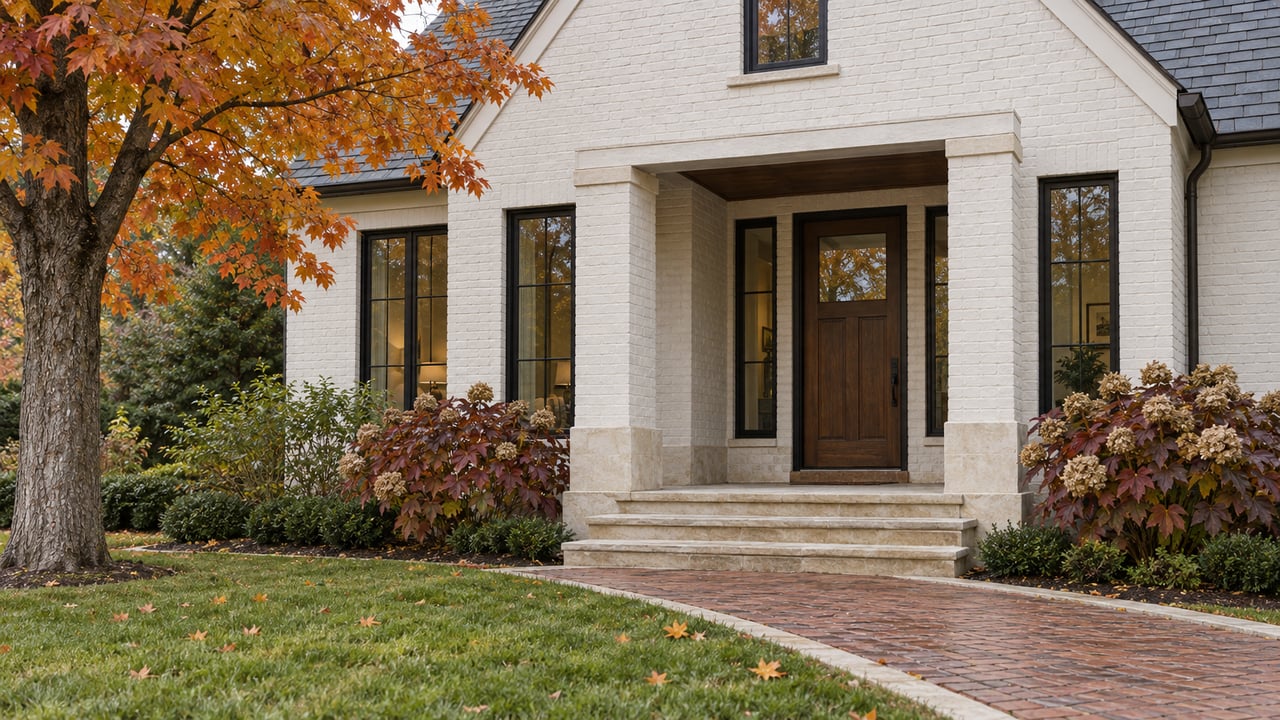
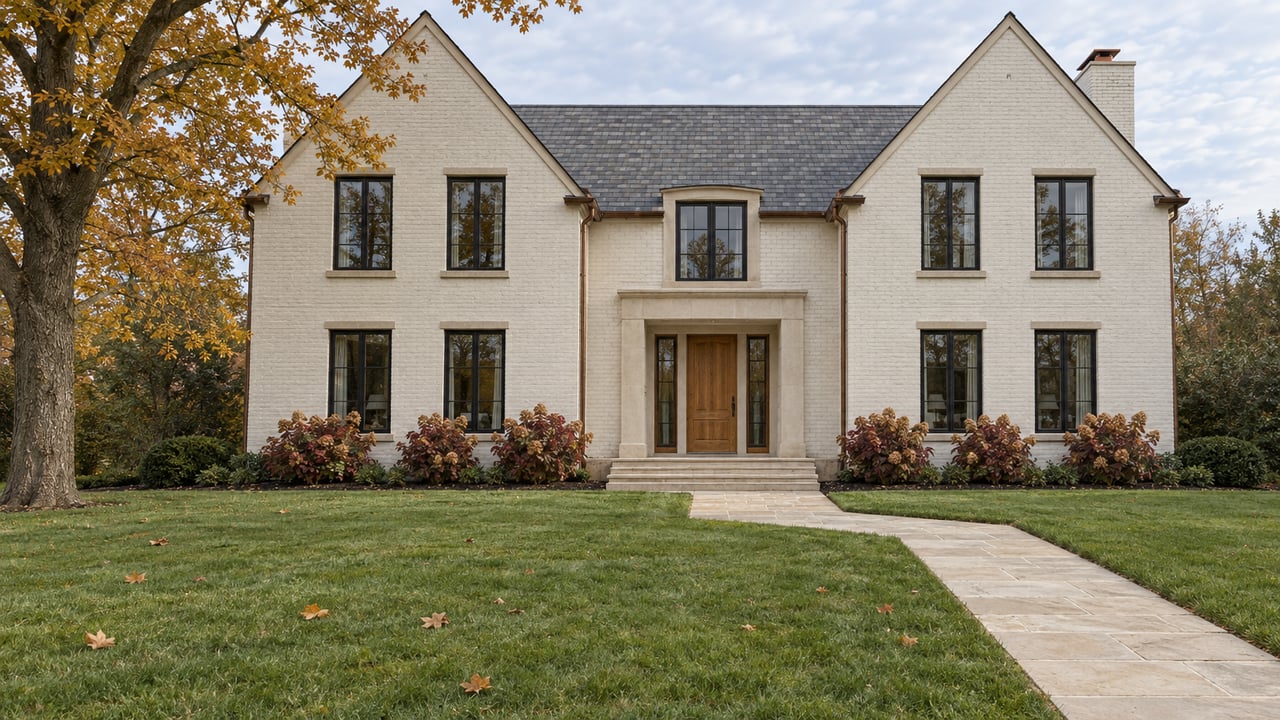
The Village of WestClay was designed so that residents could walk, not drive, to daily errands. Its village core holds the shops, restaurants, and services that make that possible, plus the Joyce Winner West Branch of the Carmel Clay Public Library sitting inside the retail corridor. Homes here follow architectural standards enforced by the community's Owners Association, with styles built around Neo-Tudor, Neo-Colonial, and Neo-Victorian details meant to keep the streetscape cohesive from block to block.
Residents get real amenities in exchange for that structure: three clubhouses, three community pools, tennis and pickleball courts, and roughly 10 miles of paths connecting greens, pocket parks, and residential streets. Product types range widely inside the Village itself. Cottages and townhomes typically start in the $400,000 range, executive single-family homes generally run $600,000 to $1.2 million, and estate properties can clear $1.5 million depending on lot and finish level.
That range alone should tell you something important: quoting a single "West Carmel price" without specifying which product type you mean is close to meaningless.
The HOA Line Item That Changes by Product Type
Monthly Owners Association dues in the Village of WestClay vary by what you buy, not by a flat neighborhood rate. Fees run from the low hundreds up to roughly $400 to $500 a month depending on the home type, and they typically cover landscaping, common area maintenance, snow removal in shared areas, insurance on shared structures, and reserve contributions for future capital repairs.
Ambleside, by contrast, operates its own dedicated single-family HOA, entirely separate from the WestClay Owners Association, with its own fee schedule and rule set. That's the practical trade a buyer is making without always realizing it: WestClay's dues buy access to a shared amenity system and a design-consistent streetscape, while a conventional subdivision's HOA is typically lighter touch, governing fewer shared assets and usually leaving more room for a bigger yard and fewer architectural restrictions.
Neither structure is better across the board. They're built for different buyers.
| Village of WestClay | Conventional West Carmel subdivision (e.g., Ambleside) | |
|---|---|---|
| Typical price band | $400K (cottages/townhomes) to $1.5M+ (estates) | Varies by builder and product, generally more uniform within a phase |
| HOA style | Owners Association covering shared clubhouses, pools, paths, common landscaping | Separate, self-contained HOA covering neighborhood-specific common areas |
| Monthly dues | Low hundreds to $400-500, by product type | Set independently by the individual association |
| Architectural rules | Enforced style consistency (Neo-Tudor, Neo-Colonial, Neo-Victorian) | Standard builder covenants, generally less design-restrictive |
| Daily walkability | Village center, library branch, and shops within walking distance | Typically car-oriented for daily errands |
| Lot size | Smaller lots common, especially in cottage and townhome sections | Larger lots more common |
The Citywide Number Doesn't Know Which Product You're Comparing
As of July 31, 2026, the average Carmel home value stood at $580,014, up 4.6% year over year, with homes going to pending in around seven days. That figure is a useful pulse check on Carmel as a whole, but it blends every product type across the entire city, from a WestClay cottage to a custom estate to a conventional-subdivision resale on the far side of town.
That average can't tell a buyer which West Carmel they're shopping. A townhome buyer comparing themselves against that citywide number is measuring against a market that includes homes three or four times their budget. An estate buyer comparing themselves against the same number is measuring against homes a fraction of theirs. The number is real. It's just not the number that answers the question a specific buyer is actually asking.
The fix isn't distrust of the data. It's asking a more specific question before trusting any number: which product type, in which part of West Carmel, over what window of time.
The Park-and-Dinner Test
The lifestyle difference between the two West Carmels shows up most clearly in how residents spend an ordinary evening.
Inside and near the Village of WestClay, residents can walk to Bub's Burgers & Ice Cream, known locally for its "Big Ugly" one-pound burger, or to Muldoon's on Main for Irish classics, then walk home past the village green without moving the car. West Park sits close by with its prairie maze, playground, and splash pad, giving families a walkable outdoor option most evenings of the week.
Coxhall Gardens, a 125-acre park with bell towers, a lake, and a children's garden, serves a wider stretch of West Carmel and is more often a drive than a walk, which is closer to the pattern for residents in conventional subdivisions further from the village core.
Neither pattern is wrong. One is built around walking to dinner. The other is built around a bigger backyard and a shorter drive to the highway. Knowing which one you actually want, before you fall in love with a floor plan, saves a lot of second-guessing after closing.
Matching the Product to the Buyer
Buyers seeking front-porch streets, a library within walking distance, and shared amenities they don't have to maintain themselves tend to gravitate toward the Village of WestClay, even knowing the trade-off in lot size and design flexibility. Buyers seeking more land, more freedom to personalize the exterior, and a simpler HOA relationship generally look at conventional subdivisions further from the village core.
Relocating professionals working on a tight timeline sometimes lean toward WestClay specifically because its architectural consistency makes comparison shopping from out of state more predictable. Every home in a given section shares enough design DNA that photos and virtual tours translate more reliably into what you'll find in person.
Before You Write an Offer
A few things worth confirming before you get attached to a specific address in West Carmel:
- Ask for the exact HOA or Owners Association fee schedule for that specific product type, not a neighborhood-wide estimate, since dues vary by home type even within the same community.
- Request the reserve study or budget summary so you understand whether dues are funding future repairs adequately or whether a special assessment could be coming.
- Confirm school assignment directly with Carmel Clay Schools rather than assuming boundaries. Typical WestClay assignments run to West Clay Elementary, Creekside Middle, and Carmel High School, but boundaries are worth verifying for your specific address.
- Set aside a maintenance reserve separate from HOA dues, especially for larger executive and estate homes, since bigger homes carry higher ongoing repair and insurance costs regardless of what the HOA covers.
FAQ
Is the Village of WestClay part of Carmel Clay Schools? Yes. Addresses within WestClay typically fall under Carmel Clay Schools, with common assignments to West Clay Elementary, Creekside Middle, and Carmel High School. Confirm the exact boundary for a specific address with the district.
Do all HOAs in West Carmel work the same way? No. The Village of WestClay operates through its own Owners Association covering shared clubhouses, pools, and paths across the community, while conventional subdivisions like Ambleside run their own separate, self-contained HOA. Always request the specific governing documents for the exact subdivision you're considering.
Does a higher HOA fee always mean a better deal? Not automatically. A higher fee in WestClay typically buys access to shared amenities and consistent architectural standards, while a lower fee elsewhere usually means fewer shared assets and more responsibility on the homeowner. The right answer depends on whether you value walkability and shared amenities or a bigger lot and fewer rules.
West Carmel rewards buyers who know which version of the neighborhood they're actually shopping for. If you want help figuring out which product fits your family, your timeline, and your budget, or you're ready to see what your current West Carmel home could sell for in today's market, Lauren Hewitt can walk you through both sides of this neighborhood in person. Start with a personalized home valuation or browse the West Carmel neighborhood guide to see current listings on both sides of the village line.
This article is general information, not legal, tax or financial advice. Consult a qualified professional about your situation.